Search Results
174 results for “parasite control”
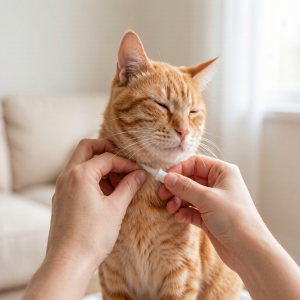
Do Cats Need Deworming in Winter?
Parasites stay active even in winter, so year-round deworming matters. Fleas, ticks, heartworm, and intestinal worms can all affect cats during the cold months, and several safe topical and systemic products are available.

What to Do About Coccidia Infection in Dogs
Pet coccidia is a terrible parasite; worse is an owner who does not even know coccidia - is that you?

What to Know About Flea Prevention for Pets
Fleas harm not only pets but the whole household. Few things ruin summer fun like these tiny, nearly invisible parasites that plague pets and their owners.

What to Do When Your Dog Is Losing Hair
Hair loss is the shedding of fur. In dogs it may be a follicle disease from self-trauma by scratching or chewing.

Cat Deworming Schedule and Precautions
Parasites are among the few diseases preventable by routine care; timely deworming is key to a cat's health.

Common Cat Ear Diseases and Care
A cat's hearing is extremely acute; its two ears work like radar, distinguishing similar sounds up to about 20 meters away. The ears are vital for hunting and daily activity.
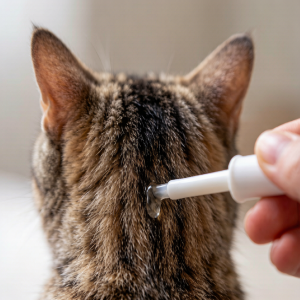
How to Use Revolution (Selamectin) on Cats
Dog flea or tick products are not recommended for cats, because certain ingredients are toxic to cats. However, the product Dog Revolution (selamectin) is safe for cats if the dose is appropriate. This article explains how to use the dog-strength product on cats to save money.

Cat Deworming: Methods and Timing
Parasites are among the few cat illnesses you can actually prevent. A regular deworming schedule protects your cat — and since many parasites are zoonotic, it protects you too. Here is what to know about internal and external parasites and when to treat.

Why Won’t Your Dog Eat?
Dogs love to eat — so when one loses interest in food, something is usually off. The cause can be weather, spoiled food, emotions, parasites, or illness, and the fix follows from finding which it is.

Why Does My Cat Have Soft Stools?
Soft stools in cats point to a digestive problem—most often a sudden food change, intestinal parasites, overeating, or gastritis. A gradual 7-day food transition, regular deworming, and portion control usually fix it; ongoing cases need a vet.