Search Results
89 results for “paralysis”
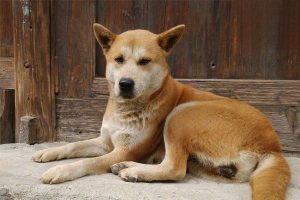
Ulnar Nerve Paralysis in Dogs and Cats
Ulnar nerve paralysis follows direct trauma or prolonged ischemia from lying on one side under anesthesia, causing difficulty walking, bent joints, and a dragged limb. Timely nerve care improves the outcome.

Tibial and Fibular Nerve Paralysis in Dogs and Cats
Tibial and fibular nerve paralysis impair normal hind-limb movement, causing an abnormal high-step or a knuckled, dragging paw, and eventually muscle wasting. Acupuncture and nutritional support aid recovery.
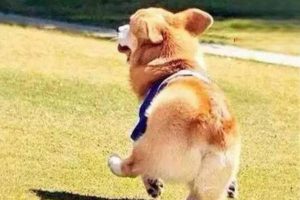
Suprascapular Nerve Paralysis in Dogs and Cats
Suprascapular nerve paralysis follows a blow, impact, or overstretch to the shoulder, causing the shoulder to jut outward and the shoulder muscles to waste over time. Nerve-supportive care and rehab help recovery.
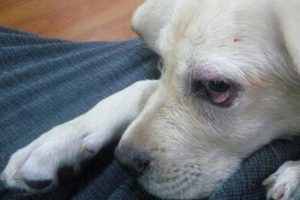
Radial Nerve Paralysis in Dogs and Cats
Radial nerve paralysis leaves the elbow, wrist, and digit extensors unable to function, causing a dropped elbow, knuckled paw, and dragging toes. Forelimb or rib fractures and prolonged pressure from lying down are common causes, and rehabilitation supports recovery.

Hypoglossal Nerve Paralysis in Dogs and Cats
Hypoglossal nerve paralysis causes the tongue to protrude from the mouth and makes eating, chewing, and swallowing difficult. It usually follows submandibular trauma, a hematoma, or a tumor pressing on the nerve, and chronic cases can lead to tongue atrophy.

Trigeminal Nerve Paralysis in Dogs and Cats
Trigeminal nerve paralysis leaves the eye, upper, and lower jaw branches partly or fully numb, causing lost corneal reflex, a dropped jaw, protruding tongue, and difficulty eating. Tumors, abscesses, inflammation, distemper, contusion, or B-vitamin deficiency can be responsible.

Facial Nerve Paralysis in Dogs and Cats
Facial nerve paralysis is a failure of conduction in the facial nerve that causes a drooping ear, lip, and tongue, difficulty eating, and a risk of keratitis. It may follow ear disease, trauma, infection, or toxicity, and treatment removes the cause while protecting the eye.
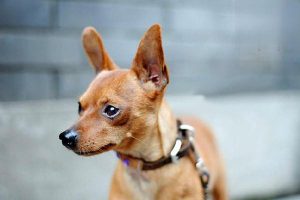
Bladder Paralysis (Atony) in Dogs and Cats
Bladder paralysis is loss of normal bladder contraction, usually from a urethral blockage, bladder spasm, or spinal or brain injury, so urine pools and cannot be expelled. Signs range from frequent dribbling to silent, involuntary leakage. Veterinary care and assisted emptying prevent a dangerously overfull bladder.

Tracheal Collapse (Tracheal Paralysis) in Dogs and Cats: Symptoms, Treatment, and Prevention
Tracheal collapse is a weakening of the windpipe's supporting rings that lets the airway flatten, causing a characteristic honking cough and breathing difficulty. It is common in small and brachycephalic breeds and is managed with medical and, sometimes, surgical care.

Laryngeal Paralysis in Dogs and Cats: Symptoms, Treatment, and Prevention
Laryngeal paralysis is failure of the larynx to open properly during breathing, causing inspiratory noise, a changed voice, exercise intolerance, and coughing. It may be inherited or acquired, and severe cases are managed surgically.