Search Results
154 results for “overweight cat”

A Practical Guide to CoQ10 Supplements for Pets
CoQ10 is a nutrient concentrated in heart-muscle cells that fuels the heart and fights oxidative damage, which is why veterinarians often suggest it alongside cardiac care for aging or at-risk pets. With demand up, product quality varies widely, so owners should judge a supplement on stated content, safe source, credentials, and smart pairings rather than marketing. This guide covers what CoQ10 does, how to pick a quality product, and the dosing and safety points—including who benefits, how much to give, and which drugs it must not be mixed with. CoQ10 supports care; it never replaces prescribed heart medication.

How to Prevent Diabetes in Hamsters
To lower a hamster's risk of diabetes, manage its diet strictly, provide enough exercise, reduce stress, and schedule regular checkups to protect its health. Control sugar intake, avoid overfeeding fruits and vegetables, and prevent obesity. Let the hamster exercise to burn excess energy, control weight, and build overall fitness. Dwarf hamsters are especially prone to the disease, so prevention matters from an early stage.

Dog Panting After a Short Walk? Watch for Heart Trouble
Panting after a brief walk is not always harmless—it can be a dog's heart crying for help. Heat, obesity, and flat-faced breeds pant normally and recover within minutes, but sudden breathlessness at rest, coughing at night, bluish gums, or constant fatigue warrant prompt cardiac screening. Early diagnosis and steady daily care can dramatically slow heart disease.

How to Care for a Dog with Pancreatitis
Pancreatitis is a high-risk digestive emergency, especially common in overweight middle-aged and senior dogs, and it often returns even after recovery — so proper home care matters as much as treatment. During a flare-up, withhold food and water immediately and see a vet; never self-medicate. After discharge, feed a prescription diet under 10% fat (regular food is 15–20%+), split into 4–6 small meals, and strictly avoid all high-fat foods such as fatty meat, organ meats, fried food, and rich treats. Keep your dog warm to protect the abdomen, allow only gentle short walks, follow the medication plan exactly, and return for regular pancreatic checks. Controlling weight is the best prevention — obese dogs are over three times more likely to develop pancreatitis.

What Every Dog Owner Should Know About Pancreatitis
Canine pancreatitis happens when digestive enzymes activate too early and the pancreas essentially digests itself, causing severe inflammation. Rich human food, obesity, toxins, and certain breeds raise the risk, and moderate-to-severe cases can be fatal. This guide covers causes, the telling 'praying' posture, diagnosis with pancreatic tests, treatment, and diet-based prevention.

Why Pets Gain Weight After Spaying or Neutering
An intact cat's base metabolic rate is about 30 percent higher than a neutered cat's, so the same food leads to faster weight gain after the procedure. Obesity raises the risk of heart disease, diabetes, high blood pressure, arthritis, fatty liver, and more. The fix is diet and exercise: feed timed, smaller, high-protein low-fat meals, drop the treats, and keep moving, with low-impact activity like swimming for joint-prone breeds.

Can Dogs Eat Cheese?
Cheese is a familiar food that boosts a dog's appetite and supplies calcium, but is it really suitable? Over 4,000 cheeses exist. Harms: overfeeding causes obesity, but more importantly cheese delivers high sodium and lactose. Cheese-making uses salt, and its sodium can cause high blood pressure and organ damage, so experts do not recommend feeding cheese long-term. Benefits: good protein; essential vitamins and minerals; rich calcium; vitamin A; B vitamins; healthy fatty acids. Avoid: blue cheese and other French cheeses—blue produces a toxin fatal to dogs (difficulty breathing, racing heart, then seizures; needs prompt stomach pumping) and has the highest sodium; cheeses with garlic or herbs (Havarti, even cream cheese); Brie and feta, the highest in saturated fat, which can trigger pancreatitis. Dogs to avoid cheese: overweight; lactose-intolerant (diarrhea); picky eaters (cheese won't fix appetite); those with digestive disease (a burden). Choose: low-fat cheese, and cottage cheese if possible (lowest fat and sodium)—always read the label.
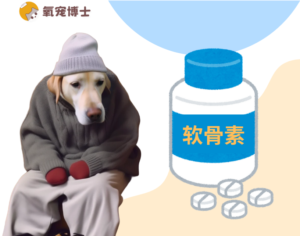
What Is Chondroitin for Dogs, and Who Needs It?
Chondroitin, or chondroitin sulfate, is a natural compound in cartilage that feeds joint cells, locks in joint fluid, and calms inflammation. Healthy young dogs get enough from food, but seniors, large breeds, dogs with joint-prone genetics, the obese, and hard-working dogs benefit from supplements—ideally paired with glucosamine and omega-3. It supports, not replaces, veterinary care for real joint pain.

Why Does My Dog Snore in Its Sleep?
Dog snoring usually means the upper airway has narrowed so throat tissue vibrates, but the trigger varies: a lodged object, a long soft palate in flat-faced breeds, excess weight, smoke or air pollution, infection, or simply sleeping on the back. Judge by the cause. Fix posture for back-sleepers, slim down an overweight dog, raise room humidity, and for flat-faced breeds ask a vet about trimming an over-long palate. Occasional snoring is usually fine.

Dog CoQ10 Safety: Five Principles and Who Needs It
After a dog turns 7, its own CoQ10 synthesis drops, heart function slips, and you may see frequent panting, low spirits, or night coughing — which is why a pet-specific CoQ10 has become a household staple. But because it goes in the body daily, safety is the bottom line: a wrong choice wastes money or burdens the liver and kidneys. This guide sets out five safety principles and the dogs who actually benefit.