Search Results
46 results for “one-third change”
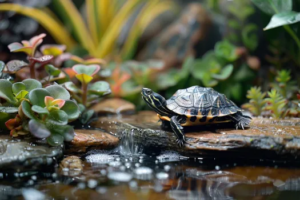
Do Turtles Need Frequent Water Changes?
Change frequency depends on the setup: a normal aquatic turtle about every 3 days, more often in hot weather or with high stocking density, and every 7 to 15 days with good filtration. Always change only one-third of the water, use dechlorinated water, and match the temperature closely to avoid stressing the turtle.

How Often Should You Completely Change Cat Litter?
Generally, fully change the litter when it drops to about one-third of the original amount after 1-2 weeks, but adjust for the cat's age, health, season, and litter type. Poor-quality litter that clumps poorly or sticks needs sooner replacement. Always wash and dry the box before refilling.
How often should a Chinese pond turtle’s water be changed?
Change Chinese pond turtle water every 3-5 days - every 3 days when hot, 5-7 when cool. Replace about a third each time.
How long after a water change should guppies be fed?
Wait 1-2 days after a water change to feed guppies, changing only a third of the water. If stressed, rest them quietly before feeding.
How often should you change a fish tank’s water?
Change fish tank water about once a week, or every 3 to 5 days in hot summer months when waste builds up faster. In winter, every two weeks is enough. Always keep two-thirds of the old water and match the new water's temperature within 2 degrees C.
Feeding and Water-Change Tips for Blood Parrot Cichlids
Feed blood parrot cichlids a mix of plant and meat-based foods, 2–3 times daily in portions finished within 5 minutes, and change about one-third of the water every 3–5 days using dechlorinated water kept within a 2°C difference.
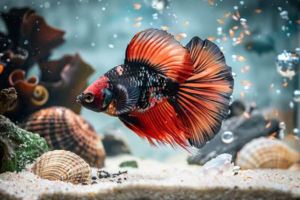
Why Arowana Scales Turn Black and How to Fix It
Blackening scales in arowana usually trace back to unstable water (temperature or quality swings), overfeeding loaches, or bacterial infection. Steady the environment, ease off the loach, or run a medicated bath — and use color-enhancing feeds to bring the sheen back.
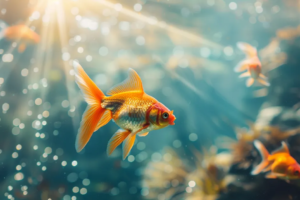
How to Care for Blood Parrot Cichlids
Blood parrot cichlids are easy for beginners, but stable, dechlorinated water and measured feeding make the difference. Keep temperature at 25–29°C, feed only what they finish in five minutes, and add astaxanthin for that signature red.
Why Do Arowana Scales Raise (Pinecone Disease), and How to Treat It
Arowana scale-raising has three causes—handling-related, parasitic, and bacterial—each needing different treatment. Find the real cause and treat accordingly. This article covers the common causes and treatments.

How to Care for Rabbits in Winter: Tips for Pet Owners
Rabbits are not easy pets, and careless winter care makes them sick. This guide covers warmth, extra feeding, cage hygiene, exercise, winter breeding, and careful grooming so your rabbit stays healthy through the cold months.