Search Results
114 results for “old three method”

Cat Eye Care Methods
In the past cats caught mice; today they are family, so daily care deserves special attention—including the eyes.

Choosing Disinfection Methods for Pet Households
Daily disinfection in pet homes matters for both pet hygiene and owner health. This article covers how to choose.
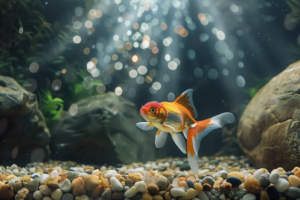
Why Do Goldfish Get Cloudy Eye (Moon Eye Disease)?
Cloudy eye in goldfish is mainly from bacteria or parasites, but the root cause is poor water quality—bad water lets pathogens breed, lowering resistance so they invade. Prevent by clearing waste and changing water regularly. Early signs are a white film on the eye, treatable with the 'old three methods'; if the eye turns clearly cloudy, add chlortetracycline or penicillin. Treat early.

Common Goldfish Diseases and Their Prevention
Common goldfish diseases include white spot (ich), cloudy eye, saprolegniasis, enteritis, fin/tail rot, and dropsy (pinecone disease). Learn these to prevent and lower illness risk. Water quality is the main health factor—keep it clean with regular changes and cleared waste to avoid bacterial growth and infection. Keep temperature steady and oxygen sufficient.

The Goldfish Breeding Process
Goldfish breeding has three steps: pairing, fertilization, and hatching. Mature fish pair on their own in season; in southern China the peak is March-April, with water best kept at 18-25°C. They fertilize externally — the female releases eggs, the male adds sperm, and fertilized eggs hatch in about 5-7 days at ~18°C with good oxygen.

Golden Arowana: Morphology and Breeding Methods
The golden arowana comes mainly as the crossback and the red-tailed golden, which look alike when young but differ as they grow — the crossback's gold crosses the fifth scale row and shines brighter. Choose healthy, pure-line broodstock (one male and one female) and keep the tank completely quiet during spawning, since disturbance makes the male withhold sperm and the fish may eat the eggs.

Why Is My Goldfish’s Belly Swollen?
A swollen goldfish belly is usually from overfeeding and poor digestion, spawning, or gut problems. Stop feeding and raise the temperature for digestion; keep water at 20–25°C during spawning; for gut infection use the 'salt + heat + water change' method and furan powder.

Treating and Preventing Turtle Water Mold Disease
Poor water quality from leftover food and waste is the root cause of turtle water mold, usually from poor management. Treatment uses antifungal medication—povidone-iodine applied topically, diluted soaks, gentle brushing, or in severe cases miconazole ointment with dry-docking—always keeping the environment at 28–32°C. Prevention means sunlight, prompt cleanup of food waste, regular water changes, and isolating sick turtles. Do not confuse water mold with normal shedding.
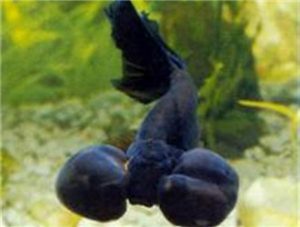
Black Bubble Eye Goldfish with Dorsal Fin
The Black Bubble Eye Goldfish with Dorsal Fin is an all-black variety of bubble-eye goldfish that first appeared around 1982, prized when its color is as deep as ink. Unlike tailless bubble eyes, it retains a normal dorsal fin. Its fluid-filled eye sacs are delicate and require careful handling and stable water conditions.

Malayan Golden Arawana
The Malayan Golden Arawana (Crossback Golden Arowana) is a prized Asian arowana from the Malay Peninsula whose gold scale frames extend all the way up the back. A large, skittish carnivorous fish, it needs a quiet, covered tank over 120 cm long and a meaty diet of live foods.