Search Results
30 results for “norfloxacin”
Just got the puppy, found white-yellow pasty stool, unsure when it started; now vomiting yellow fluid; gave a dose of gentamicin and a norfloxacin
White sticky loose stool suggests shed intestinal mucosa, meaning serious mucosal damage, usually acute enteritis, parasites, or infection. As a new puppy with unknown history, screen for parvovirus, coronavirus, and parasites, which your meds won't treat. Simple enteritis with okay spirits improves with probiotics and antibiotics; if not, see a vet at once.
My small turtle (likely a baby Brazilian turtle) I found a week ago keeps eyes shut, occasional white rice-like stool, now prefers dry sand over water; warm-water and berberine/norfloxacin soaks didn’t help
White stool suggests enteritis. Mild: heat water to 28°C and fast 5-7 days to self-heal. Severe with much white stool: add crushed berberine or norfloxacin to food after heating. If it stopped eating, dissolve the drug in water for a medicated bath.
My 10-month-old female dog had occasional fishy discharge from her genital area a month ago. I gave her metronidazole and norfloxacin for a few days and it got better, but the smell is back. What’s going on?
Fishy discharge from a female dog's genitals is usually vaginitis, uterine or urinary infection, and pyometra is possible. If she seems unwell, see a vet; if it's just heat-related with no other signs, keep her clean.
My 2-month puppy had soft stool, I gave half a norfloxacin, then tried soap-water vomiting which failed, what now?
If a puppy ate medicine and vomiting failed, go to a vet at once for gastric lavage and care; tell the vet what was taken. If no clinic access and no bad reaction, watch closely and give probiotics to protect the gut.
My pet rabbit started having diarrhea last night and seemed off; I gave a little norfloxacin and it got worse. What should I do?
Rabbit diarrhea with lethargy should first be checked by a vet for parasites, acute gastroenteritis, or infectious disease rather than self-medicating. Treatment depends on the cause, such as warmth for chills or probiotics for indigestion.

Treating Refractory Anorexia in Dogs
Stubborn, hard-to-cure anorexia in dogs usually starts from eating unclean food or a sudden weather change that upsets digestion. Affected dogs run a temperature swing, vomit and diarrhea, and hide, and are managed with fluid and cardiac support plus oral antiviral, hemostatic, and antibiotic medication.
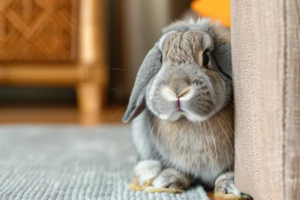
Common Abnormal Rabbit Droppings
Rabbit diarrhea varies by cause — simple overeating, too much protein or grain, mild fermentation, or E. coli — and each calls for a different fix built around short fasting, gut probiotics, and diet correction. Watery, foul droppings may signal the dangerous Clostridium perfringens and need immediate fluids.

Four Diseases Common to Long-Haired and Meat Rabbits
Both long-haired and meat rabbits have weak immunity and fall ill easily. Four common conditions are diarrhea (from dewy or over-rich feed), bordetellosis (a contagious respiratory infection), bloat (preventable through feed management), and mange (a highly contagious skin parasite). Good hutch hygiene and prompt quarantine are the backbone of prevention.

How to Treat Kidney Stones in Cats
Cats do not drink much, so they are prone to kidney disease, especially kidney stones. Here is how to treat feline kidney stones.

Key Points for Rabbit Care in October
October brings big day-night temperature swings and the molting period, raising disease risk, so the focus is protecting pregnant does through each pregnancy stage and preparing the kindling box, storing dried forage, and preventing contagious disease with vaccination, stable warmth, and weekly disinfection.