Search Results
412 results for “new fish”

How to Tell Male and Female Silver Arowana Apart
Tell silver arowana sex by body size (males larger), longer pointed pelvic fins, a rounder belly on egg-bearing females, a larger head on mouthbrooding males, and the gill 'A' mark (males have a longer, irregular arrow). Females spawn from age 6, laying 200-300 eggs per quarter; males mouthbrood the fry.

Silver Arowana Care Guide
Silver arowana are large fish needing a tank at least 150 x 50 x 70 cm with a lid, steady 24-29 C water at pH 6.5-7.5, and a mature filter. Feed small frequent meals of varied foods (no fatty organs, no spoiled food), fast on water-change days, and change 20-30% of the water slowly.
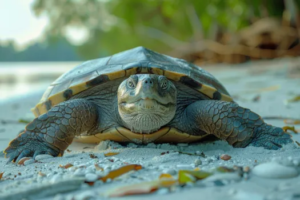
Turtle Colds: Symptoms and Treatment
More people keep turtles as pets now. They are easy to keep but do get sick, and colds are common, so owners should know how to treat one. Here are the symptoms and treatments.

Why Does a Parrot Pluck Its Feathers?
A parrot plucks its feathers to groom, out of boredom or stress, from calcium/vitamin deficiency, or due to infection (feather lice). Bathe it every 2–3 days, give chew toys and out-of-cage time, keep a quiet spacious cage, supplement calcium and greens, and deworm or see a vet for skin disease. Occasional plucking is normal; frequent plucking needs attention.

Arowana Feeding: Tips and Precautions
Arowanas are large, easy-going freshwater fish that need stage-based feeding: fry 6–8 small meals a day down to adults once a day, always to about 80% full and finished within 10 minutes. Use floating food to avoid droopy eye, cut shrimp rostra, disinfect live prey, and shift from growth-type to color-enhancing foods during the color phase.

Hamster Feeding: What to Feed and What to Avoid
Hamsters are omnivores that do well on a fortified staple mix, supplemented with small amounts of grains, vegetables, fruit, cooked meat, and insects. Avoid spicy human food, fruit pits, and unboiled water; refresh food daily and keep the cage clean to prevent diarrhea.
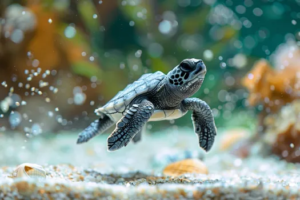
When Do Turtles Hibernate and What to Watch For
Like snakes, hamsters, and fish, turtles go into hibernation when it gets cold. But if it is too warm or they can't find a proper spot, they may fail to hibernate and their metabolism suffers. Here is when and how turtles hibernate, plus key precautions.

Why Are Blood Parrot Cichlids Prone to White Spot Disease?
Blood parrot cichlids mainly get white spot disease (ich) from Ichthyophthirius parasitism, with large temperature swings the top trigger. Failing to hold stable temperatures, or big gaps between new and old water when changing water, easily causes outbreaks. Beyond ich, gill rot, red-skin disease, and dropsy are also common — take preventive measures to reduce illness and deaths.

What Lighting Systems Do You Need for an Aquarium?
Fish need daily light for healthy growth, so every tank needs a lighting system. Common options are fluorescent (cheap, low-heat, for low/medium light), compact energy-saving lamps (mini tanks), halogen (focused beam, large planted tanks), and UV sterilizer lamps that kill bacteria physically without secondary pollution—run them 5–6 hours every 2–3 days and never look directly at them.

Common Aquarium Filter Media and How to Clean Them
A filter keeps water healthy, but its media need regular cleaning and replacement. Key media: filter floss (mechanical, top layer), bio-sponge and bio-balls (nitifying bacteria), ceramic/glass rings (anaerobic bacteria, large surface), activated carbon (chemical, replace monthly), coral sand (hardness), ammonia-removing stone, and live plants—each with its own care routine.