Search Results
119 results for “nerve paralysis”

Ulnar Nerve Paralysis in Dogs and Cats
Ulnar nerve paralysis follows direct trauma or prolonged ischemia from lying on one side under anesthesia, causing difficulty walking, bent joints, and a dragged limb. Timely nerve care improves the outcome.

Tibial and Fibular Nerve Paralysis in Dogs and Cats
Tibial and fibular nerve paralysis impair normal hind-limb movement, causing an abnormal high-step or a knuckled, dragging paw, and eventually muscle wasting. Acupuncture and nutritional support aid recovery.

Suprascapular Nerve Paralysis in Dogs and Cats
Suprascapular nerve paralysis follows a blow, impact, or overstretch to the shoulder, causing the shoulder to jut outward and the shoulder muscles to waste over time. Nerve-supportive care and rehab help recovery.
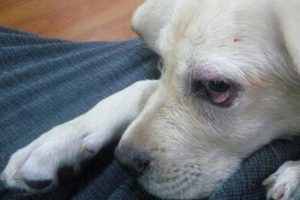
Radial Nerve Paralysis in Dogs and Cats
Radial nerve paralysis leaves the elbow, wrist, and digit extensors unable to function, causing a dropped elbow, knuckled paw, and dragging toes. Forelimb or rib fractures and prolonged pressure from lying down are common causes, and rehabilitation supports recovery.

Hypoglossal Nerve Paralysis in Dogs and Cats
Hypoglossal nerve paralysis causes the tongue to protrude from the mouth and makes eating, chewing, and swallowing difficult. It usually follows submandibular trauma, a hematoma, or a tumor pressing on the nerve, and chronic cases can lead to tongue atrophy.

Trigeminal Nerve Paralysis in Dogs and Cats
Trigeminal nerve paralysis leaves the eye, upper, and lower jaw branches partly or fully numb, causing lost corneal reflex, a dropped jaw, protruding tongue, and difficulty eating. Tumors, abscesses, inflammation, distemper, contusion, or B-vitamin deficiency can be responsible.

Facial Nerve Paralysis in Dogs and Cats
Facial nerve paralysis is a failure of conduction in the facial nerve that causes a drooping ear, lip, and tongue, difficulty eating, and a risk of keratitis. It may follow ear disease, trauma, infection, or toxicity, and treatment removes the cause while protecting the eye.

What to Do About Limb Paralysis in Cats
Feline limb paralysis is a chronic nerve disorder, usually from trauma, a crush injury, or a cold, damp environment, and most often affects both sides. Forelimb cases are typically radial-nerve palsy and hindlimb cases sciatic-nerve palsy, showing as dropped elbows or a dragging, wobbly gait; treatment with air and vitamin-B acupuncture at points such as Qiangfeng and Housanli often improves within one session and resolves in 3–10.

Can Dogs Get Facial Paralysis?
Facial paralysis seems rare in people. The AVMA found it common in senior dogs, with many signs owners never notice.

Causes of Paralysis in Rabbits
Rabbit paralysis can come from lumbar spinal proliferation (spinal fusion in seniors) or intervertebral disc disease. Both reduce mobility and may progress to partial or full paralysis; a vet confirms the cause.