Search Results
85 results for “mortality”

Sonoran mud turtle
The Sonoran mud turtle is an uncommon, nocturnal musk turtle from the southwestern United States and northern Mexico, notable as the only subspecies in its group with night-active habits. A medium-sized aquatic turtle, it adapts well to captive care once settled.
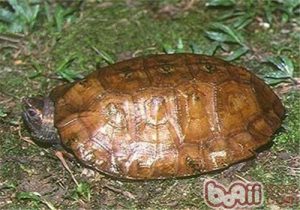
Malayan Flat-shelled Turtle
The Malayan Flat-shelled Turtle (Notochely platynota) is a secretive, chiefly herbivorous freshwater turtle from Southeast Asia that prefers shallow, plant-rich waters. Wild-caught individuals are notoriously fragile, making it one of the most difficult turtles to keep successfully in captivity.

Geometric tortoise
The Geometric Tortoise (Psammobates geometricus) is a rare, strikingly patterned South African tortoise protected as endangered. Extremely sensitive to humidity and a challenge to keep alive in captivity, it is best appreciated in the wild or by experts.
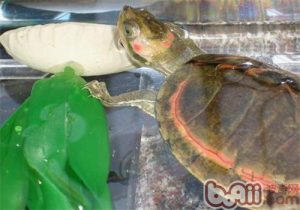
Pink-ringed Tent Turtle
The Pink-ringed Tent Turtle (Pangshura tentoria) is a striking high-domed turtle with pink cheeks and a pink ring around its carapace, but it is delicate, with hatchling mortality often above 80%, mostly from skin rot. Best suited to experienced keepers who can provide stable temperatures and a basking area.

Texas Tortoise
The Texas tortoise (Gopherus berlandieri) is the smallest of the gopher tortoises, native to southern Texas and northeastern Mexico. Adapted to arid deserts, it feeds mainly on high-fiber plants and is considered a challenging species to keep, so it remains uncommon in captivity.

East African Black Mud Turtle
The East African Black Mud Turtle is scarce in the wild and thus rarely kept in captivity; in China it is uncommon, though other side-neck species are seen more often, indicating its rarity and need for protection. It eats both plants and animals, living in shallow water and occasionally climbing onto land.
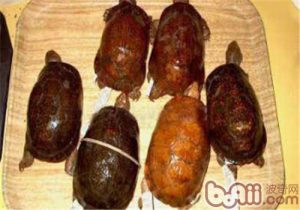
Spotted Box Turtle
The Spotted Box Turtle is a rare box turtle native to the Sierra Madre Occidental of Mexico, now endangered and uncommon; it is one of the rarer members of the box turtle genus, with a relatively small carapace and distinctive appearance.

Berger’s Cape Tortoise
Berger's Cape Tortoise is a small tortoise native to the coastal regions of Namibia and western South Africa, where it shelters among rock crevices and feeds on the flowers and fruits of plants such as cucumbers, gourds, grapes, and figs, reproducing by laying eggs.
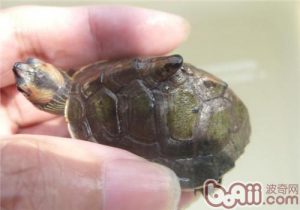
Indian Roofed Turtle
The Indian Roofed Turtle (Kachuga tecta) is one of the more common roofed turtles, recognizable by the distinctive raised black keel on its shell. Native to the rivers of the Indian subcontinent, it is a timid aquatic turtle that can enter hibernation.

Meningoencephalitis in Dogs and Cats: Symptoms, Treatment, and Prevention
Meningoencephalitis is inflammation of the brain and its membranes from infection, toxins, immune disease, trauma, or tumors, producing seizures, behavior change, and stiffness. Treatment targets the cause with infection control, swelling reduction, and seizure management.