Search Results
467 results for “mood”

Should You Dress Up Your Cat?
Cats come with their own weatherproof coat, so forcing clothes on them dulls their senses, stiffens movement, and can leave them anxious. For most cats, skipping the outfit is kinder.

What to Do If Your Cat Catches Flu
Cat flu is a viral illness spread by close contact, causing sneezing, eye or mouth ulcers, and lost appetite. Support your cat with good nutrition and protect others through vaccination.

How to Trim Your Dog’s Overgrown Nails
Indoor dogs need their nails trimmed about every two weeks because they cannot wear them down through exercise. Use a proper dog nail clipper, cut only the clear tip, and avoid the pink quick to keep your dog comfortable and safe.

Why Is My Dog Such a Picky Eater?
A dog that turns up its nose at food is rarely doing it just to be difficult. Picky eating usually traces back to a mineral deficiency, a hidden illness, boredom with the same kibble, or an inconsistent feeding routine. Watch closely and fix the root cause rather than forcing the bowl.

Cat Has Diarrhea After Kibble and Won’t Eat
A cat that eats, then gets diarrhea and loses its appetite has a fragile gut acting up. Gastritis, a sudden food change, or parasites are the usual causes. A probiotic, a gradual food switch, and routine deworming usually fix it; see a vet if it lingers.
Cat Has Diarrhea but Plenty of Energy
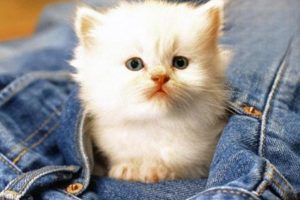
A cat with diarrhea but normal energy worries many owners, yet it's often mild. Diet changes, gastritis, or parasites are the common triggers. A gradual food switch, a probiotic, and routine deworming usually settle it; see a vet if it doesn't improve.

Kitten Won’t Eat, Looks Lethargic, and Is Wasting Away
When a kitten refuses food, goes limp, and loses weight over three to five days, the gut is usually to blame. Hairballs, overeating, parasites, or gastritis are the usual suspects. A bland, scheduled diet and the right supplement typically bring the appetite back.

Cat Suddenly Stopped Eating and Looks Lethargic
When a cat refuses food, loses energy, and wastes away for three to five days, the gut is usually involved. Hairballs, overeating, parasites, or gastritis are common culprits. A bland, scheduled diet and the right supplement often bring the appetite back.

Dog Osteoporosis: What Every Owner Should Know
Older dogs commonly face bone loss and arthritis, driven by injury, genetics, poor care, too little exercise or food, or excess weight. Watch the gait, control weight, swim for low-impact exercise, and feed joint nutrients to prevent it.
When a Dog Is Infected with Rabies
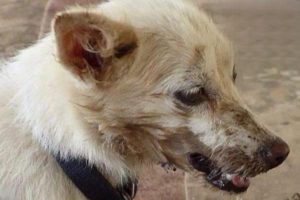
Rabies is not passed before birth or through milk; a dog catches it from the saliva of a rabid animal entering a wound. Once symptoms appear there is no cure and death follows within days, so vaccination is the only real protection.