Search Results
452 results for “mood”
Reduced appetite, normal stools, gurgling with nasal sounds, occasional rapid breathing, no sneezing, normal mood
A cat's gurgling breath with runny nose usually means an upper respiratory infection. If from a cold, give cold medicine; untreated it can become pneumonia.
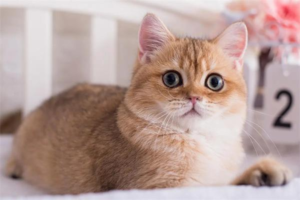
Does Weather Affect a Cat’s Mood? What Weather Do Cats Like?
Cats sense barometric pressure and are sensitive to weather; cold, dark days can trigger feline seasonal blues. They love mild, sunny weather and dislike rain, thunder, wind, and extreme heat - comfort them through storms to prevent stress.

Goldfish Moods and Behavior: Reading Their Emotional and Health Signals
Goldfish express distinct moods through their swimming and feeding behavior: active, eager swimming signals contentment, while prolonged bottom-sitting or lying on the side often points to stress, fear, or illness. Because low mood and sickness can look alike, judge a fish by its body color, gill condition, water quality, and appetite rather than behavior alone.
What happens when a cat is in a bad mood?
A moody cat looks listless, inactive, eats poorly, and loses interest in toys. It may over-groom, hide in corners or high places, and hiss or growl if approached. Lack of company or environmental change can cause this.

How to Read (and Lift) a Cat’s Bad Mood
An unhappy cat may go quiet and hide, eat less, over-groom or stop grooming, urine-mark, or lose interest in toys. Cheer it up with company, brushing, treats, and praise; cut stressors and keep a calm routine; a plug-in pheromone diffuser helps. A cat mirrors your mood, so stay calm — and remember that lasting low mood can cause urinary blockage or weight loss.

What Your Cat’s Sleeping Position Reveals About Its Mood
A cat's sleep pose is a window into how safe and relaxed it feels. A cat that flops belly-up is completely at ease, while one curled into a tight ball with its head on its paws is on alert. Giving your cat a quiet, comfortable spot to rest supports better sleep and lowers stress.
How to Read Your Cat’s Mood From Its Ears
A cat's ears are a precise emotional radar: 32 independent muscles let them rotate 180 degrees to pin sound, and their position shifts with mood in real time. Forward and relaxed means content and trusting; upright and swiveling means alert and defensive, so don't disturb; flat back against the head (the "airplane ears") means fear or stress and a risk of fleeing or lashing out, so move the cat to a calm space and consider a pheromone spray. A single tilted ear shows curiosity, and frequent flicking just means something tickled the ear. Reading these cues helps you interact at the right moment and avoid forcing contact when the cat is uneasy.
Reading Your Cat’s Mood Through Its Tail
Cats have far fewer facial muscles than dogs or people, so they look 'poker-faced' - attacks or escapes can seem to come from nowhere. But the tail is the open window to mood. A puffed, bristling tail means fear or threat; a tail tucked between the legs signals extreme fright and insecurity; a vertical tail with a hooked tip is a happy greeting; a high straight tail showing the rear is confident love; a gently swaying tail means 'I hear you'; and a tail lashing side to side is irritation, not joy like a dog's wag. Read the tail and you will understand the cat.
Reading a Cat’s Mood from Its Posture
A cat broadcasts its feelings through posture. A relaxed cat stands straight with a low tail and forward ears; a threatening one lifts its head and rump to look bigger; a terrified cat curls small with folded ears and a tucked tail; a cat bluffing bravado puffs up its fur while still afraid. Learn the poses to understand your cat.

How to Avoid Conflict with Your Cat
Cats show clear warning signs before attacking—puffed fur, thrashing tail, airplane ears, hissing, and wide eyes. Give them space: avoid eye contact, back away, and don't punish. Rule out pain or illness with a vet check if aggression appears suddenly, and use food and calm handling to rebuild trust.