Search Results
70 results for “mice”
Why Are Cats So Good at Catching Mice?
Cats have a natural gift for catching mice, and it comes down to biology, instinct, and learned skill. As natural predators, they combine sharp hearing, a flexible body, retractable claws, and excellent night vision to track prey even in the dark. Their hunting instinct—inherited from wild ancestors—gives them quick reflexes and accurate judgment. Add powerful jaws and curved claws that pin a mouse instantly, plus a deep familiarity with rodent habits, and cats become formidable hunters. Even in modern homes, where catching mice is no longer necessary, that instinct survives—shown when a cat pounces on a toy or ambushes its owner in play.
Cats Evolved in Deserts But Still Need Water
Wild cats get 70-80% of their water from prey, so a dry-kibble home cat that also refuses water faces real danger. A cat needs about 40-60 ml per kg of body weight daily (a 4 kg cat: 160-240 ml). Low intake concentrates urine and triggers a chain of trouble: bladder and urinary disease, kidney disease, cystitis, even life-threatening urethral blockage. Check dehydration by skin elasticity (slow rebound) or gums (sticky when dry). Boost intake with wet food, raw meat if skilled, a fountain for moving water, or a syringe; never give tap water - use cooled boiled or purified to avoid parasites.
What to Do When Your Cat or Dog Has Chronic Constipation, Diarrhea, or Indigestion
About 60 to 80 percent of a cat or dog's immune system resides in the digestive tract, and a healthy gut is the body's first line of defense against pathogens and toxins. When the intestinal flora falls out of balance, pets frequently develop constipation, diarrhea, and poor digestion and become far more prone to illness. Diet, stress, medications, and a naturally smaller microbiome all influence gut health. Probiotics can help restore balance, but most beneficial bacteria are destroyed by stomach acid or by heat during food processing. This guide explains why gut balance matters, what disrupts it, and how to choose a heat- and acid-resistant, high-activity probiotic that actually survives to reach the intestines where it is needed.
Supplies to Prepare for a New Cat
Bringing a cat home means getting its eat, drink, and litter needs sorted first. Kittens may need goat's-milk or lactose-free formula, a bottle, and a needle-free syringe for feeding. Every cat needs two bowls (water and food) and a natural-quality kibble — cheap food leaves cats hungry and unwell. Plan one litter box per cat with low-dust clumping litter. Then add grooming and health items: hairball paste or cat grass, a brush, nail clippers, basic supplements, dewormer, eye drops, and a toothbrush. Toys, a scratch post, a warm bed, and a cat tree round it out.
How Cats Catch Parasites
Parasites reach cats through many routes, so even strictly indoor cats are at risk. Mother-to-kitten transmission passes some larvae via placenta or milk (e.g., toxoplasma). Ingestion brings eggs or infected hosts (cockroaches, fleas, mice, sparrows)—even sealed cat food isn't sterile. Some larvae burrow through paw skin (hookworm). Vectors like mosquitoes spread heartworm; fleas host tapeworm. Direct and indirect contact (shared bedding) also transmit. Because external parasites often host internal ones, treat both together.
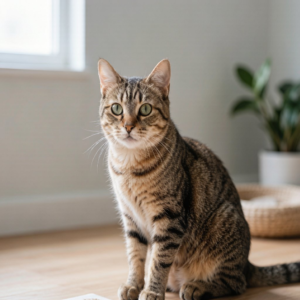
What to Do If Your Cat Has Tapeworms
Tapeworms cause belly discomfort, diarrhea, vomiting, weight loss, dull coat, and shedding; heavy infections shed visible segments near the anus, making the cat scoot or lick. Cats catch them by eating infected fleas, mice, or birds, through mother's milk, or from a contaminated environment. Treatment is a dewormer with praziquantel, fenbendazole, or albendazole plus probiotics, and strict flea control plus regular deworming prevents reinfection.
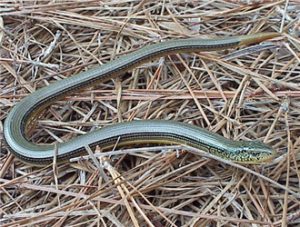
European Glass Lizard
A legless lizard that looks exactly like a snake - but it has eyelids and ear openings, and can drop its tail. The largest of the glass lizards.

Black Mamba
Africa's 'death serpent' - one of the fastest, most venomous snakes on Earth (neurotoxic). This profile is educational only; it is not and must never be a pet.

Indo-Chinese Rat Snake (Grey Rat Snake)
A wide-ranging, fast, non-venomous rat snake - the 'over-tree dragon' snake of southern China. Docile and a good pet, it may drop its tail when grabbed.
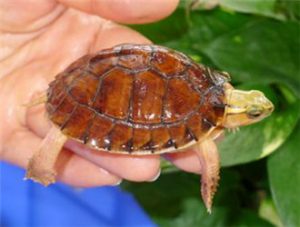
McCord’s Box Turtle
A dazzling, China-endemic box turtle (Cuora mccordi) from Guangxi - extremely rare and CITES II; wild individuals are essentially unobtainable. Education-only.