Search Results
36 results for “metoclopramide”

Symptoms and Care of Dog Indigestion
Indigestion shows as vomiting, a gurgling belly, and lost appetite as food stalls and ferments in the gut. Rest the gut for 24 hours, then support it with B vitamins, an anti-nausea drug, and digestive enzymes — and switch to set mealtimes.

What to Do If Your Dog Eats Onion (Onion Poisoning)
Onions contain propyl disulfide, which cripples red-cell defenses (G6PD) and causes oxidative damage, Heinz-body formation, and hemolysis. Treatment is antioxidant and liver support with antiemetics and nutrition, and a transfusion if the red-cell count crashes.
Feline Acute Pancreatitis: Symptoms and Care
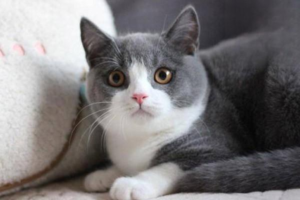
Feline acute pancreatitis happens when pancreatic enzymes activate inside the gland and digest the organ itself, causing swelling, bleeding, or necrosis. Cats show vomiting, anorexia, dehydration, and abdominal pain, and are managed with fasting, antiemetics, pain control, fluids, and a low-fat diet.

What to Do If Your Dog Catches Parvovirus (Parvo)
Canine parvovirus (CPV) is a highly contagious, often fatal disease of dogs, especially puppies, causing severe vomiting and bloody diarrhea. Treatment is supportive — fluids, antivirals, and symptom control — alongside vet care. The enteric form (most common) is described here, with a home med list including amoxicillin, probiotics, glucose, and an anti-nausea drug.

Treating Vomiting in Pets by Stage
Pet vomiting splits into stages: early on it is simple indigestion from spoiled food, fast eating, or a diet change, with normal energy; left alone it becomes gastritis (yellow or foamy vomit, then dullness and weight loss); severe cases are gastroenteritis with blood, weakness, and diarrhea. Treatment moves from gentle stomachics and probiotics to metoclopramide and ethamsylate for vomiting and bleeding, plus rehydration.

Acute Pancreatitis in Cats and Dogs
Acute pancreatitis is self-digestion of the pancreas by its own enzymes, striking dogs far more often than cats and showing as sudden belly pain, shock, and peritonitis. Triggers range from bile-duct blockage and fatty meals to infections and certain drugs; treatment focuses on shutting down pancreatic secretion, controlling infection and pain, and correcting fluids — and the hemorrhagic form carries a guarded prognosis.

Symptoms of Feline Enteritis and What to Feed
Cat enteritis brings diarrhea and sometimes vomiting or incontinence; stop feeding if vomiting to avoid worsening it. Treatment is short fasting, then anti-inflammatories, antiemetics, and rehydration, with low-fat, easily digested food such as a gut prescription diet once eating resumes.

Symptoms of Proctitis (Rectal Inflammation) in Puppies
Dog enteritis refers to acute or chronic inflammation of the intestinal mucosa. Inflammatory bowel disease can occur as a condition that invades only the small intestine, but is more commonly seen as widespread inflammation of the stomach, small intestine, and colon.

Dog Enteritis: Symptoms and Treatment
Dog enteritis refers to acute or chronic inflammation of the intestinal mucosa. Inflammatory bowel disease can occur alone as a disease attacking the small intestine, but is more common as widespread inflammation of the stomach, small intestine, and colon. Enteritis generally refers to inflammation of the stomach, small intestine, and colon.

The Effects of Atropine on Cats and Dogs
Atropine is commonly used to block the effect of certain nervous-system impulses (acetylcholine) on receptors throughout the body. In animals such as dogs and cats, it is most often used in surgical anesthesia to prevent the adverse effects of nervous stimulation.