Search Results
12 results for “meat rabbit breeding stock”

Things to Know When Introducing Meat Rabbit Breeding Stock
Choosing healthy, well-bred stock from a reputable rabbitry is the foundation of meat rabbit production. Introduce stock in mild seasons, start with a modest number of 3–4 month juveniles, keep a sensible male-to-female ratio, and source from more than one place to avoid inbreeding. Give new arrivals quiet time and their familiar feed to reduce transport stress.

Occurrence Patterns of Rabbit Infectious Rhinitis
Infectious rhinitis in rabbits follows clear, predictable patterns. Incidence rises with higher stocking density, certain cage arrangements, the rearing method, the rabbit's breed and age, and seasonal temperature swings. Understanding these patterns helps breeders reduce outbreaks through better housing and management.

Which Rabbits Shouldn’t Be Bred
Choose breeding rabbits carefully—avoid those with overlong teeth, splay legs, sloping rump, lop ears, or reproductive diseases. The rule is simple: healthy, defect-free stock gives the best offspring.

Yufeng Yellow Rabbit
The Yufeng Yellow Rabbit is a medium-sized fur-and-meat dual-purpose breed widely kept in rural China. Developed from the Taihang Mountain Rabbit and the Belgian Rabbit, it is valued for fast growth, high feed efficiency, strong disease resistance, and adaptability to varied climates.

Hyla Rabbit
The Hyla Rabbit is a world-famous meat rabbit breed, introduced to China not long ago. It is the world-recognized meat rabbit breed with the highest meat yield, with delicious meat. The Hyla Rabbit consists of four lines, with different appearances among lines.

New Zealand Rabbit
The New Zealand Rabbit is a meat rabbit breed originally from the United States, now promoted worldwide. It is numerous, economically profitable, and highly adaptable to the environment. It is kept in large numbers in China's rural areas, with high meat yield and a large body.
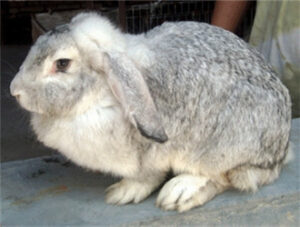
Ram Rabbit
The Ram Rabbit is a large, lop-eared meat rabbit originally from North Africa, known for its ram-like head and gentle, slow temperament. Mainly raised on farms, it has low fertility, so special attention to nutrition during pregnancy is essential.
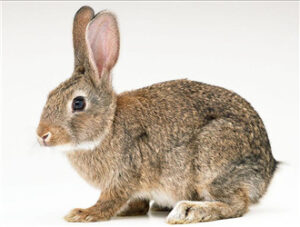
Belgian Rabbit
The Belgian Rabbit, also known as the Giant Gray Rabbit or Flemish Giant, is a famous meat rabbit breed originally from Belgium. With its large build, yellowish-brown coat, and high meat yield, it is mostly raised on farms in rural areas rather than kept as a pet.

How to Raise Meat Rabbits Efficiently
Efficient meat-rabbit farming comes down to five things: choose high-quality breeding stock, manage them well to reach their full production potential, improve feed conversion to cut costs, keep the rabbitry disease-free, and adjust your scale to market demand. Strong breeding selection and good husbandry are the biggest levers on profit.

Preventing Rabbit Myxomatosis
Myxomatosis is a near-always-fatal viral disease of rabbits spread mainly by mosquitoes and rabbit fleas that carry the virus from sick animals. Signs include conjunctivitis, widespread head swelling and a 'lion-head' face, breathing trouble, and jelly-like tumors; mortality exceeds 95%. Keep it out through strict import bans and quarantine of breeding stock.