Search Results
207 results for “malnutrition”
How often should cat treats be given?
Do not feed cat treats too often; 2 to 3 times a week is suitable. Frequent treats cause picky eating and later malnutrition, so use them as training rewards and strictly limit the amount.
At what age does a Rottweiler start head broadening?
A Rottweiler usually starts head broadening around 4 months. Poor diet and malnutrition can delay it, so feed balanced nutrition; you can also offer safe hard bones to promote it.
How long until a red-billed blue magpie is fully grown?
Red-billed blue magpies reach sexual maturity at 6 to 8 months, marking adulthood. Before 6 months is rapid growth; provide ample food and water. Keep the cage clean, warm, and free of feces to prevent infection.
How long does a dog’s low blood sugar generally take to recover?
Recovery from low blood sugar depends on cause. From long hunger, glucose gives recovery in about ten minutes; from chronic poor nutrition, it takes longer. Signs include weakness, tremor and dizziness.
How Long Does It Take a Samoyed’s Snow Nose to Heal?
How long a Samoyed's snow nose takes to heal is hard to determine and depends on the cause and severity. Common causes include calcium deficiency and poor nutrition.
What happens if a Bichon eats its own feces?
Eating its own stool can expose a Bichon to bacteria and parasites, lowering appetite and causing weight loss. It also leaves the dog with foul breath and body odor.
How long does it take a dog to shed its puppy coat?
Dogs usually change their puppy coat over about 3-4 months, starting near three months and finishing by six or seven. Regular brushing and good nutrition help the new coat grow in well.
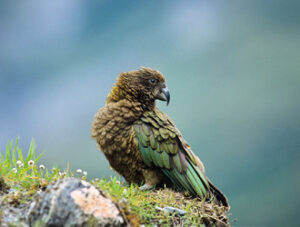
Kea
The Kea is a large, olive-green parrot native to New Zealand's high mountains, famous for its curiosity, destructiveness, and the habit of pecking sheep. Now Vulnerable, it needs a very sturdy cage, group or single housing, and a varied diet.

Silver Fox Rabbit
The Silver Fox Rabbit is a standard fur-breed rabbit with a soft, beautiful coat, but it has weak adaptability and has not been widely promoted or kept. Originating in the former Soviet Union, it is a precious fur-breed variety valued both for its pelt and as a pet.

Pacific Parrotlet
The Pacific Parrotlet (Pacific Parrotlet), also known as the Pocket Parrot, is relatively small among parrots. This parrot has a very good, playful, brave, and confident personality, which is why so many people keep it.