Search Results
448 results for “malnutrition”
What happens if a dog has tartar?
Tartar causes brown or black plaque, yellow calculus, and hard deposits, plus bad breath and gum disease. It can also affect the dog's appetite and lead to malnutrition.
What causes a luohan cichlid’s swollen mouth?
A swollen mouth can come from water quality, poor nutrition, or disease. High ammonia or nitrate irritates nerves and skin sensors; change water regularly and keep the tank clean.
Free-roaming rural cat loved raw bones, vomited; after food change it won’t eat, gets thinner, nose pale, testicles shrank
The cat is thin from poor nutrition intake; the new food dislike may be smell, so try another brand. Past vomiting also suggests chronic gastritis, parasites, or chronic pancreatitis, so a vet check and regular deworming are advised. Pale nose, shrunk testicles, and low spirits may relate to malnutrition or age.
My myna’s left hind toe shifted to the front, as shown by the red line in the picture
A myna's claw deformity may come from poor bone growth, fracture, or malnutrition. A fall or external force can fracture or twist the claw. Calcium and vitamin D deficiency easily causes bone problems. Mild deformity may be corrected surgically; if from nutritional deficiency, supplement quickly.

German Shepherd Dog
The German Shepherd Dog, developed in Germany in 1899, is a large, versatile working dog used worldwide as a police, detection, and guide dog, as well as a popular family companion. Confident and capable, it excels at any task.

Bulldog
The Bulldog is a medium-sized, courageous, and affectionate dog from Britain with a distinctive wrinkled, loose-skinned face. Despite a fierce look, it is gentle, loyal, and good with children.

Bouvierdes Flandres
The Bouvier des Flandres is a powerful, rough-coated herding and working dog from France and Belgium. Calm, courageous and intelligent, it makes a devoted family guardian and capable service dog.

Siberian Huskiy
The Siberian Husky is a medium-sized working dog bred by the Chukchi people of Siberia to pull sleds. Friendly, energetic and wolf-like in appearance, it is now a popular but strong-willed companion.
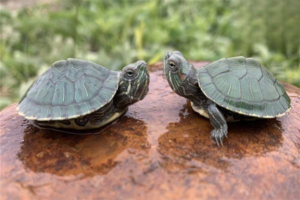
What Causes a Turtle to Float?
A floating turtle may have pneumonia, gastroenteritis, malnutrition, or simply enjoy floating. Pneumonia and enteritis bring other signs like open-mouth breathing or vent discharge, while malnutrition needs a better diet.

Why Is My Turtle’s Shell Soft? (Soft Shell Disease)
A soft shell — soft shell disease — is almost always calcium deficiency, from poor breeding stock or an imbalanced diet. Prevent it with calcium-rich food, a varied diet, and real UVB exposure (a lamp or unfiltered sun), since glass blocks the UVB turtles need.