Search Results
137 results for “male hamster”

What to Know Before Breeding Hamsters
Successful hamster breeding needs a suitable cage, matched healthy adults of the same species, gentle introduction, and separation right after mating. Support the mother with extra nutrition during pregnancy, and manage the nest carefully once pups arrive.
At what age can a golden hamster start breeding?
Golden hamsters can breed after 4 months, but it is best to wait until 5 to 10 months. Females mature around 42 days and males around 48 days, but their bodies are not fully developed, so early breeding risks difficult labor and kitten loss. Limit to about two litters.

What to Do When Your Hamster Chews the Cage and Keeps You Awake
Hamsters gnaw on their cages out of natural needs—filing their continuously growing teeth, relieving anxiety, mating energy, or plain curiosity—not out of bad behavior. Give them a larger cage, plenty of toys and safe chewing items, a steady daily routine, and a calm, quiet spot to cut the noise and protect their health.

Preparing for Hamster Breeding
Hamsters breed fast, reaching sexual maturity at 2-3 months with pregnancies of 15-22 days and 5-8 pups typical. To breed successfully at home, start with healthy animals and a safe, warm, humid, well-ventilated nest box placed in a quiet, dim spot, and build them up with good nutrition and a supplement a week before pairing. Once paired, separate the male immediately since the female will not mate again but the male stays ready. Keep the mother calm and well-fed, and after birth avoid disturbing the nest, keep pups warm, restore the mother's strength, and split the young into their own cages at one month.

Treating a Hamster Injured in a Fight
Hamsters are fiercely territorial and often fight when housed together. After a fight, check the wound closely. Minor injuries can be treated at home: clean with saline, disinfect with iodine, and apply a safe ointment such as chlortetracycline eye ointment or Yunnan Baiyao, while keeping the injured hamster alone in a calm space. For heavy bleeding, large, or deep wounds, disinfect and bandage, then see a veterinarian. Separate the injured hamster at once and watch for any worsening; seek professional care if it does not improve.

The Effects of Hamster Inbreeding
Inbreeding hamsters is risky: it raises the chance of inherited disease and genetic defects, lowers genetic diversity so offspring get sick more often, and tends to produce weaker, less intelligent pups with higher death rates and reduced fertility. The main reason breeders do it is to lock in a pure bloodline, but the uncertainty is high. For home keepers, the safe choice is to avoid inbreeding entirely, separate males and females into different cages, and if you do plan a litter, pick two healthy, unrelated hamsters and breed them between 5 and 10 months of age.

What to Know When Your Hamster Is Giving Birth
Breeding hamsters is easy, but the birth itself needs care. Keep the room at 20 to 25°C with 40 to 60 percent humidity; extremes or big temperature swings can stall labor or kill pups. Use a roomy, well-ventilated breeding box with platforms to climb and plenty of bedding, and because hamsters are solitary, move the male out right after pairing and pregnancy to prevent fights, injury, and miscarriage. The mother needs balanced nutrition, protein, fat, minerals, and vitamins, plus breeding feed or extras like mealworms, dried fruit, vegetables, and nuts, with fresh water always available. Watch the mother for poor appetite or weight loss and the pups for slow growth. Seek a vet for dystocia (water broken but no delivery, or a pup stuck partly out), nursing trouble, or postpartum infection shown by fever, diarrhea, or vomiting. A controlled environment, good food, and close observation keep the birth safe.
What Season Is Best for Breeding Hamsters?
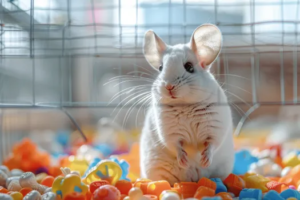
Indoor pet hamsters can technically breed year-round with the right care, but spring and autumn are best for success and healthy pups. Both seasons have mild temperatures and plentiful, nutritious food, and females come into heat more readily. To breed, start with healthy adults of the right age, set up a roomy, warm, well-supplied cage, and pair them once the female shows clear courtship signs like squeaking or a raised tail. Avoid inbreeding, respect age limits (females around 3 months, males around 4), keep the cage clean and warm through the 6–10 day cycle, and after birth watch nursing, clean regularly, and split the pups into separate cages as they grow.

Why Is a Hamster Passing Red Urine?
Red urine in a hamster can come from several causes, so the reason must be identified before treating. Diet is common: dyes or pigment-rich foods such as tomato, watermelon, carrot, or grape, and organ meat can tint the urine. Urinary tract infection, bladder stones, kidney problems, uterine disease in females, and blood disorders such as parasites or leptospirosis can also cause blood in the urine. Offer plenty of water, adjust the diet, and consult a veterinarian if the cause is unclear or persists.

Syrian Hamster
The Syrian hamster (Mesocricetus auratus), also called the golden hamster or 'pearl bear', is a hamster from Asia and the first species kept as a pet. Docile and easy to breed, it lives 2 to 3 years with good care and comes in over 40 color varieties.