Search Results
1892 results for “male female”
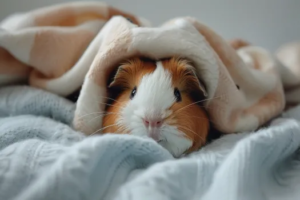
Guinea Pig Physiological Characteristics
Guinea pigs cannot make their own vitamin C and need it from food - deficiency causes scurvy (hind-leg weakness, common in winter). They are sensitive to certain sounds and pathogens, tolerate low oxygen, and have a 62-72 day pregnancy with postpartum estrus. Normal temperature is 37.8-39.5°C and lifespan about 8 years.

What to Look for When Buying a Guinea Pig
When buying a guinea pig, avoid ones under one month old and prefer 1-5 months. Inspect the eyes, limbs, ears (for parasites), mouth and teeth, and rear for health, choose a shiny coat with good appetite and energy, and consider a same-sex pair so they settle in together.
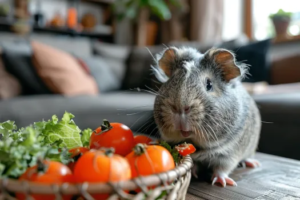
Guinea Pig Biological Traits and Characteristics
Guinea pigs are social, gentle prey animals that need dry, warm, clean housing and a high-fiber vegetarian diet. They are sensitive to smell, sound, and temperature; prone to pneumonia in poor air; and unusually sensitive to antibiotics such as penicillin. Their long pregnancy ends in fully developed pups that walk within an hour.

Why Won’t My Lovebirds Breed, and How to Trigger Mating
Plan breeding after one year of age, cap at three clutches a year (rest in summer), give 12+ hours of light and cuttlebone calcium, and know the ~21-23 day incubation and crop-milk feeding. Well-timed, these raise fertility and chick survival.
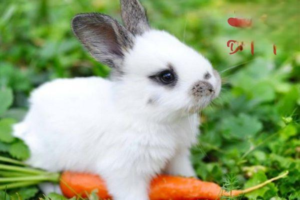
Should Rabbits Fast Before Spay or Neuter Surgery?
Rabbits should NOT be fasted before spay or neuter — they do not vomit under anesthesia, and an empty gut raises the risk of fatal gastrointestinal stasis. Spaying females at 1–2 years and neutering males around 6 months lowers reproductive-disease risk, and after surgery keep the environment calm, offer plenty of water and food, and watch the incision for infection.

Tips to Help Your Parrots Breed and Hatch Successfully
After a pair bonds, prepare a roomy cage with a wooden nest box, high-calorie protein food, and warm bedding. During laying, candle eggs at one week to spot infertile ones; during incubation keep 28-30 C and 60-70% humidity, and supply steady food and calcium.

Causes and Solutions for Blood in Cat Urine
Blood in a cat's urine most often points to a problem in the urinary tract—such as cystitis, urethritis, or bladder stones—but it can also come from diet, heat cycles, food poisoning, or a dirty litter box. Treatment ranges from urinary-support supplements and veterinary care for stones, to diet adjustments, hydration, spaying after heat, and prompt hospital visits for severe poisoning.

Why Do Cats Fight Each Other?
Cats may fight for several reasons: playful wrestling, territorial disputes, hormone-driven aggression during mating season, or redirected frustration. Understanding the trigger helps owners step in safely and prevent injuries — for example, by providing separate resources, isolating new cats, or neutering after the mating season.

Dragon Li
Dragon Li (details)

Siberian
The Siberian Forest Cat, shortened to Siberian Cat, has the earliest written records from the 11th century: it was a very common cat in Russian markets and Siberian villages. Living in a harsh country, it is covered in long fur with a thick ruff around the neck. Its outer guard hairs are hard, smooth, and oily, and its dense undercoat resists the Siberian cold.