Search Results
1892 results for “male female”

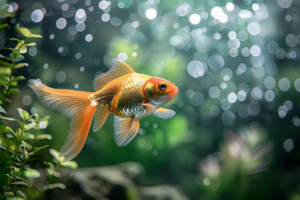
Goldfish Habits and Breeding Behavior
Goldfish are social and do best in groups of two or more, but watch stocking density. They tolerate 0-39°C yet cannot stand sudden temperature swings, which can be fatal — keep temperature stable, ideally 20-28°C. They are omnivores eating animal, plant, and prepared foods; balance the diet for nutrition.
The Arowana Breeding Process
Arowana breeding requires specific water temperature and quality, and proceeds in three steps: pairing, egg-carrying, and spawning. This article walks through each stage and the care needed during the breeding period.

How Long Do Red-Eared Sliders Live, and How Big Do They Get?
Many think all turtles live for centuries, but species differ. The popular red-eared slider typically lives only 10–20 years at home, and even less if care is poor.

Why Your Dog’s Coat Loses Its Shine
A dull coat often signals health or care problems—poor diet, lack of sunlight, bad washing habits, or simply aging. Regular brushing, sensible sun exposure, and supplements like lecithin restore coat health and gloss.

What Is a Healthy Adult French Bulldog Weight, and How to Control It?
Adult French bulldogs should weigh 8–14 kg; their lazy nature makes obesity likely, raising diabetes and joint risks. Control weight with lower-fat food, daily exercise, and small frequent meals—and see a vet if severely overweight.

How Much Does an Adult Golden Retriever Weigh, and What If It’s Too Thin?
Adult male golden retrievers should weigh 27–34 kg and females 25–32 kg. If yours is underweight—usually from poor nutrition, parasites, or weak digestion—improve the diet, deworm regularly, and support gut health to help it gain.

When Do Corgis Go Into Heat, and When Can They Be Bred?
Corgis usually have their first heat at 6–8 months, but breeding too early harms development. Wait until the second heat (around 1.5 years) or later, and time mating to the right days using physical signs for the best results.

Why Is There Blood in Your Dog’s Urine? (Causes and What to Do)
Blood in your dog's urine can be caused by several issues — heat (estrus), poisoning, or urinary system diseases. The exact cause must be judged from your dog's symptoms. Below we break down the reasons behind bloody urine in dogs.

Benefits of Spaying Your Cat and What to Prepare
Spaying removes a female cat's ovaries and uterus (or a male's testes) so she or he cannot reproduce, and it greatly lowers the risk of reproductive diseases and problem behaviors. This guide covers the benefits plus the health checks, fasting, and aftercare you need to get right.

Seasonal Cat Care: Managing Your Cat Through the Year
A cat's care needs change with the seasons. Spring brings heat and shedding, summer risks heatstroke, autumn is breeding and molting season, and winter calls for sunlight and warmth. This guide covers the key management points for each season.