Search Results
1892 results for “male female”

Can a Pregnant Hamster Miscarry If Bred Again?
If a pregnant female hamster isn't separated from the male, the still-estrous male may force mating, causing fights that endanger the fetuses. This guide explains the miscarriage risk and why isolation is essential.

What to Do When Your Hamster Has Urolithiasis (Urinary Stones)
Urolithiasis is a urinary-tract condition more common in middle-aged and older hamsters, usually caused by excess dietary calcium. This guide covers causes, symptoms, dietary changes, and supportive care.

Why Does a Rabbit Paw the Ground Repeatedly?
A rabbit pawing the ground may be marking territory, attracting mates (the 'foot thump'), digging, trimming long nails, or signaling skin parasites, allergies, or pain. Watch for other symptoms; if none, it's normal—if others appear, see a vet.

What Are the Symptoms of a Dog in Heat (Estrus)?
Male dogs in heat: frequent urination to mark territory; strong interest in females; restlessness and agitation; mild aggression; attempts to escape. Females: vaginal bleeding or discharge; raised tail exposing genitalia; clinginess and interest in males; possible appetite loss and anxiety. During heat, leash tightly to avoid mating or fights. If you don't plan to breed, consider spaying/neutering to avoid health and breeding risks.

How to Stop Parrot Fish from Fighting
Parrot fish fight over territory, during breeding season, or from lack of food. Prevent it with a large enough tank (lower density), a hiding cave or separation when fighting is severe or during breeding, and ample food on a fixed schedule. For injuries, use coarse salt for minor wounds or isolate and treat severe ones with oxytetracycline or potassium permanganate.

Goldfish Care Before and After Spawning
Before spawning, prepare a disinfected separate breeding tank with plants or a spawning mop, and keep a male:female ratio of 2:3 or 2:4. After laying and fertilization, remove the parents and keep water at 15-20C to hatch in 3-7 days. Feed fry yolk 2-3 days after hatching; keep oxygen ample and avoid water changes.

Why Is Your Goldfish Not Eating?
Many things stop a goldfish eating — indigestion, sudden or polluted water, a food change, a changed environment, breeding condition, or big temperature swings. Treat the cause: for indigestion, stop feeding and raise temperature with a water change to speed digestion. Always feed by schedule and amount to avoid overfeeding.

Why Won’t Your Goldfish Breed?
Goldfish breed only when conditions are met — sexual maturity, both sexes present, and suitable water temperature. They usually mature around age one. Without maturity, or with only one sex in the tank, or with poor temperature/water, they will not spawn.
Signs Your Goldfish Is Ready to Breed
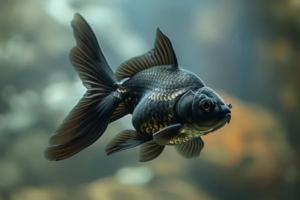
Breeding signs are clear: the female's abdomen swells with eggs, appetite drops, and she grows sluggish; the male becomes lively and chases her, sometimes nipping. A male in breeding condition also develops small white spots (nuptial tubercles) on the leading rays of his pectoral fins, which vanish after the season. Plan ahead with a rearing pond, extra nutrition, and stable water.

The Goldfish Breeding Process
Goldfish breeding has three steps: pairing, fertilization, and hatching. Mature fish pair on their own in season; in southern China the peak is March-April, with water best kept at 18-25°C. They fertilize externally — the female releases eggs, the male adds sperm, and fertilized eggs hatch in about 5-7 days at ~18°C with good oxygen.