Search Results
1892 results for “male female”

How Long Is a Guinea Pig’s Estrus Cycle — and What Are the Signs?
Female guinea pigs cycle every 15–16 days for about 16–18 hours, mostly 5 PM to 5 AM; males have no fixed cycle and react to a female in heat. Signs include dropped appetite, urine-marking everywhere, mounting, cooing, and irritability. Year-round breeders can only be stopped by spaying, which is risky, so manage by learning the pattern.

A Beginner’s Guide to Keeping a Golden Hamster
Small pets are easy to keep, which is why animals like guinea pigs were tamed. The golden hamster, also called the Syrian hamster, is a favorite. Here is how beginners should care for one.

When Can Rabbits Breed and Become Pregnant?
Rabbits reach sexual maturity at 3.5–4.5 months but should not be bred that early, or their own development and the litter suffer. Wait until the rabbit weighs 70–75% of its breed's adult weight — about 4–8 months depending on size — and breed in spring for the best conception and litter size.
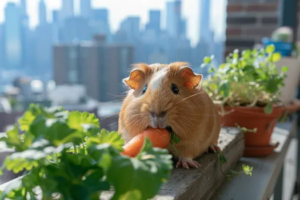
An Introduction to the Golden Hamster
The golden hamster is a type of hamster, gentle and well suited as a pet, though its life is short at about 2 to 3 years. Here is a detailed look at this popular little animal.

Common Causes and Treatment of Chinchilla Dystocia (Difficult Birth)
Oversized fetuses, malpresentation, and a small mother are common causes of chinchilla dystocia. Avoid breeding chinchillas too early and prepare well during pregnancy to lower the risk. This article details the causes and how to handle a difficult birth.

Brazilian Turtle (Red-Eared Slider): Form and Habits
The Brazilian turtle (red-eared slider) is a freshwater turtle kept for food, health and looks. It is colorful with red and green head stripes and a red patch behind the eye, lively and fast for a turtle. It eats mostly animal food, prefers quiet clean water, is sexually dimorphic (males have longer thicker tails and a concave plastron), and is oviparous, mating May–August and laying 3–4 clutches a year.

Preventing and Treating Feline Steatitis (Yellow Fat Disease)
Feline steatitis, also called yellow fat disease, is a metabolic disorder usually from too much unsaturated fat and vitamin E deficiency in the diet. This article explains it.

Rabbit Louse Infestation: Signs and Treatment
Rabbit pediculosis is caused by the rabbit blood-sucking louse (Haemodipsus), spread by contact, that bites and itches the skin, causing restlessness, weight loss, and poor coats, worst in kits. Spot the lice and yellow eggs at the fur base; treat with ivermectin injection or coumaphos/trichlorfon/fenvalerate washes, and prevent by quarantine, cleaning, and routine deworming.

Rabbit Breeding Characteristics
Rabbits are extremely fertile but have no regular estrous cycle — they are induced ovulators that release eggs only after mating or drug stimulation, 10–12 hours later. They have two separate uteri (allowing double pregnancies), mate most successfully around dawn and dusk, and suffer summer infertility, especially males. Pseudopregnancy is common and prevented by re-mating.

Rabbit Growth, Development and Molting Traits
Rabbits grow fast and convert feed efficiently early in life, especially as kits. A kit is born about 50 g, doubles by one week and reaches 40% of adult weight by eight weeks, with feed conversion best (2:1) at three weeks. They molt twice by age (around 30–100 and 130–190 days) and seasonally each spring and autumn, when extra nutrition helps.