Search Results
81 results for “lymph nodes dog”
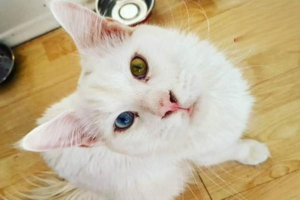
Pharyngitis in Cats and Dogs
Pharyngitis in cats and dogs is inflammation of the pharyngeal mucosa or deeper tissues. Its clinical signs are drooling, difficulty swallowing, and a swollen, sensitive throat. It is especially common in short-faced dog breeds because their long soft palates or everted saccules cause reflux of food or water. Here is a detailed look at its causes, signs, and treatment.

Symptoms and Treatment of Common Viral Infectious Diseases in Dogs and Cats
Viruses need host cells to multiply, then spread via blood and lymph causing infection. Here are common viral diseases in dogs and cats.

Upper Respiratory Diseases in Dogs and Cats: Types and Treatment
Upper respiratory disease is common in dogs and cats, with sneezing, tearing, low appetite, and breathing trouble, and it often triggers secondary infections. This guide covers colds, nosebleed, rhinitis, laryngitis, and tonsillitis, with the drugs that help each.

What to Do When a Dog Has Mouth Ulcers and Won’t Eat
Mouth ulcers come from trauma, irritant foods, or viruses, showing as drooling, red swollen mucosa, and bad breath. Treat with a soft bland diet, vitamin B, and good oral hygiene.
Bacterial Infections in Dogs and Cats: Symptoms and Medications
Bacterial infections in dogs and cats range from leptospirosis and Lyme disease to E. coli, brucellosis, pasteurellosis, staph, and salmonella. This guide summarizes each disease's signs and the drugs and prevention that matter most.
What happens if a dog has ticks?
Tick bites cause itch, redness, bumps, hair loss, and secondary infection; they suck blood and can anemia if many. Ticks spread zoonotic diseases like Lyme disease, ehrlichiosis, babesiosis with fever, joint pain, swollen nodes, neuro signs. Remove safely and preventively deworm.
What causes a hard lump on a dog’s neck?
A hard lump on a dog's neck can be caused by various issues, including poor drug absorption after injection, swollen lymph nodes, sarcoidosis, gland swelling, and thyroid disease. If the dog was recently injected, consider whether poor absorption of the medication caused the lump; such injection-site bumps usually disappear on their own after a few days. If this is ruled out, the lump is likely disease-related — for example, swollen lymph nodes cause a neck lump and require prompt veterinary examination to determine the cause and provide targeted treatment.
What happens if a dog’s testicular tumor is left untreated?
An untreated testicular tumor can grow and spread to lymph nodes and lungs, threatening life. Neutering early lowers the risk; if already present, see a vet early to prevent spread.

What Causes a Lump on My Dog’s Neck?
A lump on a dog's neck can come from poor drug absorption after an injection, a salivary gland leak, insect bites, lipomas, or trauma. Watch for growth, rupture, or itching; a lump that keeps growing needs a veterinary visit.
What is the hard lump inside my dog’s neck?
A firm bump on the back of the neck is often a vaccine lump from poor absorption after an injection - warm compresses and gentle massage usually resolve it. But a bilateral lump may signal lymph nodes or salivary glands and needs a vet, and a growing mass could be a tumor.