Search Results
10 results for “low-phosphorus diet”

Hypoparathyroidism in Dogs and Cats
Hypoparathyroidism is low parathyroid hormone from parathyroid injury that causes severe low blood calcium and neuromuscular hyperexcitability: muscle tremors, ataxia, and seizures. Correcting calcium with calcium and vitamin D is the mainstay of treatment.

Treatment of Chronic Kidney Failure in Dogs
Treatment of chronic renal failure (CRF) in dogs must be based on the severity, cause, secondary diseases, and other factors your veterinarian analyzes beforehand. The ultimate goal is supportive care while treating and eliminating infection, dehydration, and malnutrition. This article outlines the treatment options and home care.
My 14-year-old cat stopped eating 3 days ago; tests show kidney failure. How serious is it?
Cat kidney failure is acute or chronic. Acute can often be treated; chronic is progressive and incurable, needing hydration, diet, and monitoring.

What Happens When a Dog Has Too Much Phosphorus?
Excess phosphorus in dogs causes thirst, increased urination, fatigue, nausea, vomiting, and cramps, and in severe cases is life-threatening. It usually comes from high-phosphorus food or an underlying disease, so managing the diet and treating the root cause are key.

Choosing the Best Dog Food for Senior Dogs (Age 7+)
Once a dog turns seven, its metabolism slows, digestion weakens, and organs such as the kidneys, heart, and liver begin to decline — so the right senior dog food matters more than ever. Look for a formula with at least 25% crude protein (30%+ is better), fat held between 8% and 15%, fiber under 9%, starch no higher than 32%, salt under 2%, and a calcium-to-phosphorus ratio of 1:1 to 2:1. Bonus nutrients like glucosamine, fish oil, and probiotics support aging joints, brains, and guts. Prefer wet food for dogs with poor teeth, transition gradually over seven days, and feed smaller meals. For dogs with heart, kidney, or diabetic conditions, a vet-guided prescription diet is safest.
Preventing and Managing Cat Kidney Disease
Use kidney-support cat food early, most effective in the first two stages of chronic failure, to cut phosphorus, blood pressure, and digestion issues and slow decline. Affected cats need low-phosphorus, low-protein, high-energy, palatable food. Control protein by stage, catch it early, and check seniors at least yearly, twice for older cats.
Preventing and Managing Kidney Disease in Cats
As cats age, kidney problems such as chronic renal failure become a real risk—and once chronic, it cannot be cured. Watch daily habits closely and choose kidney-supportive nutrition or a veterinary prescription diet to extend your cat's life. This guide covers starting preventive kidney-formula food early (most effective in stages 1–2), the right diet for cats already diagnosed (low phosphorus, low protein, high energy, palatable), and the importance of regular checkups to catch trouble early.
Can Dog Kidney Failure Be Cured? The Honest Answer
Dog kidney failure splits into two very different pictures. Acute failure—from toxins, severe infection, or a blockage—can often be reversed if treated within about 72 hours. Chronic failure, common in older dogs, is irreversible because most function is already lost before signs appear; the goal then is to slow it down and protect quality of life. Both need a veterinarian's plan, not guesswork.
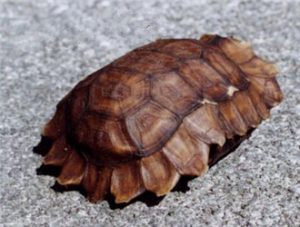
Forest Hinge-back Tortoise
The African hinge-back tortoise (Kinixys erosa), also called the forest hinge-back, is one of the most prized hinge-back tortoises from Africa. It can fold the rear of its carapace — a unique defense and breathing aid — and demands high humidity and experienced care.
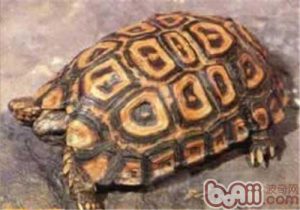
Natal Hinge-back Tortoise
The Natal Hinge-back Tortoise (Kinixys natalensis) is one of six hinge-back tortoises, a small, strikingly patterned herbivore found only in South Africa's Natal province. Scarce and specialized, it needs a dry semi-desert setup and a high-fiber, low-protein diet.