Search Results
18 results for “lovebird cage”
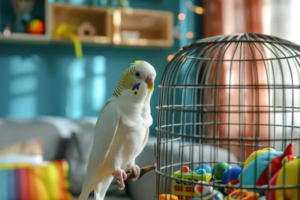
How to Care for a Lovebird
Use a sturdy metal cage (not wood - they chew and may escape), line the bottom with shavings or sand, and feed a balanced pelleted diet plus grains, fruit, and vegetables (avoid avocado and sugary or fatty human food). Feed by age - newborns every 1-2h, adults once daily - and change food and water daily. Give cooled boiled water in a shallow dish and keep them cool.
What to Do When Your Pet Lovebird Won’t Breed
Many keepers report that their pet lovebirds refuse to breed, which can be very frustrating. Today our team shares some experience on lovebird breeding to help you out.
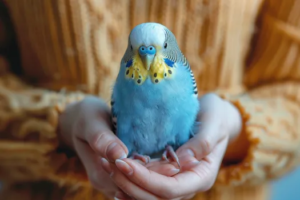
Signs That Your Lovebird Is in Breeding Condition
Lovebirds breed too, so hormonal behavior is normal and not a worry. It is triggered by long light, rich food, rough petting, or nest-like spots, and shows as grumpiness, hip-swaying, regurgitating food, and mating calls.
Why Won’t My Lovebirds Breed, and How to Trigger Mating
Plan breeding after one year of age, cap at three clutches a year (rest in summer), give 12+ hours of light and cuttlebone calcium, and know the ~21-23 day incubation and crop-milk feeding. Well-timed, these raise fertility and chick survival.
How long can a peach-faced lovebird live?
A peach-faced lovebird generally lives 10-15 years, depending on constitution, environment, and care. It is sensitive to low temperatures and refuses food below 26-30 C, so keep it warm and well-fed.

Grey-headed Lovebird
The Grey-headed Lovebird (Agapornis canus) is loved for its largely green plumage, its lifelong pair bonds, and its quiet nature compared with many other parrots. Native to Madagascar, it is a small, gentle, and shy companion bird.

Rosy-faced Lovebird
The Rosy-faced Lovebird is easily recognized by its head color, very similar to a peach. In the wild it often damages farmers' hard-grown crops, so it is driven away by local farmers.

Black-cheeked Lovebird
The Black-cheeked Lovebird (Black-cheeked Lovebird), also called the Black-cheeked Lovebird or Black-masked Lovebird, derives from the Greek 'Agape' meaning love and 'Ornis' meaning bird, hence 'lovebird'. Its plumage is very brilliant, and heavy capture for the pet trade has reduced wild numbers.
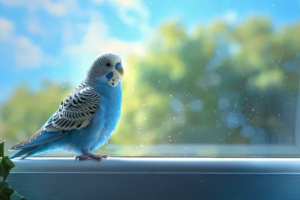
Keeping and Taming Lovebirds (Agapornis)
Lovebirds (Agapornis) are small, pretty, affordable African parrots that cannot mimic human speech clearly but copy other birds and animals well. Keep them in pairs or flocks in a sturdy cage, bathe them weekly in summer and dry in sun, and feed varied seed, millet, oyster shell, and fruit. For chicks, use wood-shaving bedding, keep warmth above 25°C, and build a call signal during feeding so they bond and recognize you.
How long does a lovebird live?
Average lifespan about 10 years, over 10 with good care. Keep it warm (it is cold-sensitive), feed well, and do not cage it forever; take it out for fresh air and change locations to keep it happy.