Search Results
283 results for “loose skin”
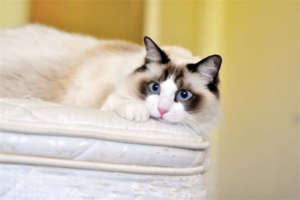
How to Reduce Heavy Shedding in a Ragdoll Cat
A Ragdoll's heavy shedding can stem from seasonal change, poor diet, weak care, stress or an underlying health issue. Brush regularly to stop mats, bathe on a sensible schedule with a gentle cat shampoo, and avoid salty or greasy food while adding omega-3 and vitamins for skin and coat. Keep the home calm and quiet, and if shedding stays severe, have a vet rule out skin disease, allergies, parasites or hormonal problems before treating.
Silver Celestial Eye Goldfish
The Silver Celestial Eye Goldfish is a variety of Dragon-back goldfish whose eyeballs protrude from the sockets and turn upward and forward toward the sky, hence the name sky-gazing eye. It is a relatively rare goldfish variety.

Green Iguana
The classic large pet lizard - arboreal, personable, but a serious 2 m, 20-year commitment needing big vertical space, heat and UVB.

Aldabra Giant Tortoise
One of the two largest tortoises on Earth - a gentle giant that may outlive you. Captive-bred, legally imported animals only.

Syrian Hamster
The Syrian hamster (Mesocricetus auratus), also called the golden hamster or 'pearl bear', is a hamster from Asia and the first species kept as a pet. Docile and easy to breed, it lives 2 to 3 years with good care and comes in over 40 color varieties.

Lionfish
Lionfish (Pterois), also called turkeyfish, is a popular ornamental marine fish with a distinctive fan-like pectoral fin. Its dorsal-fin spines are venomous—a sting causes severe pain and, in serious cases, fainting.
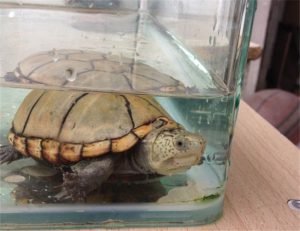
Kinosternon alamosae (Alamos Mud Turtle)
The Alamos mud turtle lives in aquatic-rich habitats and unique ponds, retreating into mud to aestivate during dry periods. In the wild it eats insects, small shrimp, and other invertebrates, and is a shy turtle that withdraws into its shell when threatened.

Golden Python
The Golden Python is a patternless, leucistic morph of the Burmese python (Python bivittatus), prized for its uniform golden-cream coloration. Wild-type individuals cannot survive in nature due to a lack of protective melanin, so every specimen in captivity is captive-bred. A large, heat-loving constrictor, it needs steady temperatures of 26–33°C, regular soaking to aid shedding, and a diet of whole rodents or rabbits.

Cutaneous Mast Cell Tumors in Dogs and Cats
Cutaneous mast cell tumors can appear anywhere on the skin or internal organs, most often on the hind legs, perineum, and prepuce. They vary from slow soft lumps to fast hard nodules and may ulcerate. Surgical removal of well-defined tumors is the main treatment.

Periostitis in Dogs and Cats: Symptoms, Treatment, and Prevention
Periostitis is inflammation of the periosteum, the membrane covering the bone, usually triggered by blunt trauma, repeated friction, or infection from an open fracture. It appears as a painful, hot swelling over a bone and, when septic, can discharge pus; prompt rest and appropriate veterinary care prevent chronic thickening or bone-spur formation.