Search Results
695 results for “liver disease”

Diet Tips to Help Prevent Cat Hepatitis
Many illnesses enter through the mouth, and cat hepatitis is linked to poor diet. Adjusting what and how your cat eats can lower the risk of diet-related liver disease. Here are practical diet tips.

Causes of Hypoglycemia in Cats and Dogs
Hypoglycemia in pets has many triggers: stress, cold, poor nutrition, parasites, overexercise, endocrine or liver disease, and drug side effects (especially too much insulin in diabetics). Mild cases show weakness; severe cases bring coma and death. Rub glucose on the gums for quick relief, and see a vet with the full history.
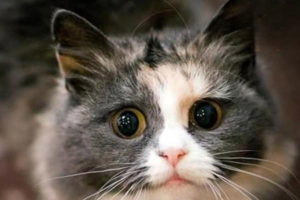
Diagnosing and Treating Feline Hypoglycemia
Feline hypoglycemia is diagnosed from clinical signs plus low blood glucose (ketones in urine are a key clue), with X-rays hinting at liver disease. Treatment centers on restoring sugar — IV glucose for sick cats, oral glucose if they can keep it down — plus diet adjustment, B vitamins, fluids, and antibiotics to prevent secondary infection.

Feline Hypoglycemia (Low Blood Sugar)
Hypoglycemia is a syndrome, not a disease itself — it's a symptom of an underlying problem. In cats it's usually driven by hunger (especially kittens), fatty liver, glycogen storage disease, sepsis, or serious liver disease. Mild cases show weakness and drowsiness; without treatment it can be fatal, so owners shouldn't dismiss a lazy cat as just tired.

Is a Cat’s Yellow Urine Just ‘Heat’?
Yellow, thick cat urine has several causes, not just heat — low water, pigments, liver disease, or a spraying tom. This guide covers the four common ones and when to see a vet.

What Happens If a Dog Goes Three Days Without Food?
Whether three days without food is dangerous depends on the dog's age and condition. An adult dog with water usually survives three days, but the ordeal can trigger fatty-liver disease, gastroenteritis, or low blood sugar. A puppy left three days without food can be at real risk of death. Feed on a fixed schedule, monitor intake, and if you must be away, arrange for someone to care for the dog or board it.
Cat vomits yellow fluid, white foam at mouth, won’t eat or drink, no energy
Yellow vomit, no eating/drinking, and low spirits can come from many serious diseases: gut dysfunction, infectious disease, liver disease, pancreatitis, or hairball-caused acute gastroenteritis; white foam does not rule out poisoning. First do infectious-disease and blood screening at the vet; frequent vomiting causes dehydration, so IV fluids may be needed. If no visit, use anti-vomit and antibacterial meds.
Poor appetite, lies down all day, no energy, sleeps constantly.
The photo suggests jaundice; a vet visit is urgent to find the cause. Usually a blood count checks for inflammation needing oral antibiotics; jaundice often comes from liver disease raising bilirubin, needing liver/gallbladder medicine. With no eating, IV fluids balance electrolytes and give energy.
Lying flat, warm, eyes narrowed to slits, body limp
A limp hamster is mainly from low blood sugar, poor nutrition, or digestion; bad food or watery produce can upset the gut. Respiratory infection, liver disease, or diabetes can also weaken it. See a vet for diagnosis and treatment.
My cat’s belly is very large, and when I press it I feel something inside. It eats, sleeps a lot, and uses the litter box frequently.
A big belly with sleepiness and frequent urination could be pregnancy or false pregnancy, but kidney/liver disease or wet FIP are also possible. An ultrasound is needed, and other signs like poor appetite or fever mean a vet visit.