Search Results
695 results for “liver disease”

Common Postpartum Diseases in Mother Cats and Their Prevention
After giving birth, mother cats are prone to several conditions — pyometra, poor milk let-down, mastitis, and postpartum depression. Most stem from infection or hormonal changes in the 2–3 weeks after delivery. Good hygiene, balanced nutrition, and a calm environment are the cornerstones of prevention.
My dog had a fever during a C-section delivery. A month later she had a little brown, foul-smelling discharge that stopped after 3 days of medication, and now there is occasional white discharge from her rear. What does this mean?
Based on the description, this may be an early sign of pyometra, though lingering postpartum discharge is also possible. Pyometra is classified as open or closed; open pyometra shows obvious discharge while closed pyometra is harder to detect early.

Can Obesity Cause Fatty Liver in Cats?
Overweight cats are at higher risk of fatty liver, because excess fat around the liver can move into it. Fat cats also more often have diabetes and pancreatitis, which can lead to fatty liver, and prolonged starvation is another common cause. Symptoms include anorexia, weight loss, vomiting, and jaundice, and severe cases can be fatal, so prevention matters.

Symptoms and Treatment of Fatty Liver in Dogs
Canine fatty liver is the build-up of fat in the liver from disrupted sugar and fat metabolism, showing as excess body fat, poor digestion, and easy fatigue. Causes are primary, from high-fat diet, low protein, starvation, or little exercise, or secondary, from hepatitis, diabetes, and other chronic disease. Signs include low spirit, poor appetite, occasional vomiting, and an enlarged liver. Diagnosis uses blood, biochemistry, and imaging; treatment is medicine plus a changed diet, regular meals, and exercise.

How to Prevent Parasite Disease in Turtles
Turtles can develop parasite disease, and the risk rises in the hot summer months, so prevention belongs in every keeper's routine. Common parasites—tapeworms, coccidia, roundworms, and others—live in the gut, lungs, liver, and more, stealing nutrients and weakening the turtle until it wastes away. Good hygiene, quarantining new arrivals, and prompt deworming are the core defenses. This guide explains the parasites, their symptoms, and the practical prevention and medication steps that keep your turtle healthy.
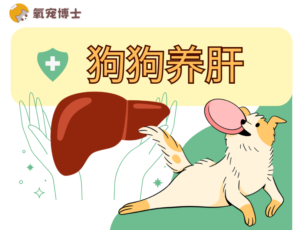
Foods That Support Your Dog’s Liver
The liver filters toxins, stores nutrients, and makes bile, yet it stays silent until heavily damaged—so daily support matters. Quality protein, cruciferous vegetables, and berries aid detoxification, while milk thistle, dandelion root, and omega-3s protect cells. Just as vital is what to skip: fatty foods, toxic items like chocolate, onion, and grapes, and human medicines that strain or poison the liver. Keep water flowing and weight healthy.

Canine and Feline Liver Tumors
Liver tumors in dogs and cats may be primary or spread from elsewhere, with signs much like chronic liver inflammation — poor appetite, weight loss, and vomiting. Slow-growing tumors confined to one lobe can often be removed surgically.

Selenium Metabolism Disorders in Dogs and Cats: Deficiency (White Muscle Disease) and Toxicity
Selenium is an essential trace mineral that supports antioxidant defence and immune function in dogs and cats. Both too little and too much are harmful: deficiency causes nutritional myodegeneration (white muscle disease) affecting skeletal and heart muscle, while excess produces acute and chronic poisoning.

Glycogen Storage Disease in Dogs and Cats
Glycogen storage disease is an inherited metabolic disorder in which a congenital lack of glycogen-splitting enzymes lets glycogen accumulate in the liver, kidneys, and central nervous system. It causes persistent low blood sugar with weakness, seizures, and incontinence, and needs prompt veterinary care to avoid irreversible brain damage.

Liver Abscess in Dogs and Cats
A liver abscess is a pus-filled pocket in the liver caused by pyogenic bacterial infection, single or multiple. It brings intermittent high fever, weight loss, and abdominal pain, and can rupture into the abdomen; treatment relies on aggressive antibiotics and drainage.