Search Results
695 results for “liver disease”

What You Should Know About Vomiting in Cats and Dogs
Vomiting in pets splits into physiologic, from eating too fast or wrong food, and pathologic, from disease. Causes range from diet and gut issues to toxins and organ disease, and the timing of vomiting hints at the source, so see a vet when signs persist.

What Your Dog’s Waste and Walk Reveal About Its Health
Beyond temperature, pulse, and weight, a walk is the best window into your dog's health — watch its gait, expression, and the color and shape of its urine and stool. Red or dark urine can mean bleeding, cloudy urine an infection, shiny urine crystals, and orange urine jaundice; soft, bloody, or black stool points to digestive trouble. Catch these early and bring a fresh sample to the vet.
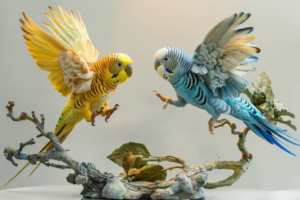
How to Treat Severe Feather Loss in Parrots
Heavy feather loss in parrots usually signals feather-picking syndrome, driven by parasites, skin infection, nutritional gaps, a poor environment, hidden illness, or stress. Treatment starts with pinpointing the cause — a better diet, a vet exam with skin scraping, or cleaner surroundings — and keeping the bird in a stable, calm home.

Common Causes and Treatment of Ringworm in Cats, Dogs, and Rabbits
Ringworm (dermatophytosis) is a highly contagious, zoonotic fungal infection that strikes animals with weak skin immunity — especially youngsters and those in damp, dirty surroundings — and can pass to humans. Treatment means isolating the pet, clipping and disinfecting lesions, antifungal sprays or ointments (plus oral antifungals and B-vitamins for severe cases, with liver support), and thorough environmental cleaning; rabbits need ivermectin-based mite control to prevent it. Keep the home dry and ventilated, bathe sparingly with pet shampoo, and use a little sunlight to stop outbreaks before they start.

Why Cats Vomit: Common Causes by Severity
Not all vomiting is harmless — while hairballs and eating too fast are normal, persistent or severe vomiting can signal parasites, foreign objects, or serious organ disease. Know the three types of throwing up and the warning signs that mean a trip to the vet.

What Foods Are Toxic to Parrots?
Many common human foods poison parrots — chocolate and caffeine cause hyperactivity, vomiting, and heart failure; avocado and fruit pits release cyanide; milk and lactose trigger diarrhea; alcohol, onions, persimmons, and carbonated drinks are also dangerous. Keep these out of a parrot's diet entirely, and rush to a vet if a pit is eaten.

What Is Dog Kidney Failure? Symptoms and Treatment
Dog kidney failure is a common disease, but if a dog develops kidney failure and is not treated promptly, it can lead to more serious illness. Let's discuss what dog kidney failure is and its symptoms and treatments.

Overview of Metronidazole Toxicity in Cats
Metronidazole is a very effective antibiotic commonly used in cats. It is most often used to treat diarrhea caused by gastrointestinal parasites, mainly Giardia.

Early Symptoms of Dog Diabetes
Early symptoms of diabetic dogs include drinking more water, urinating more, eating more, but the dogs look thin and get thinner. Diabetic dogs develop fast, and severe cases cause ketoacidosis - treat the dog at once.

Dog Diabetes: Symptoms and Treatment
Canine diabetes is an endocrine disease in dogs, mainly showing high blood sugar, polyuria, glucosuria, polyphagia, polydipsia, and weight loss. Dogs over 5 are more prone (8-9 years has the highest rate), and female dogs are 2-4 times more likely than males. If diabetes is found, treat it early.