Search Results
1800 results for “live feed”
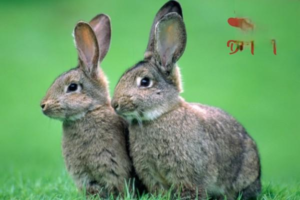
Feeding a Nursing Doe Rabbit
A doe nurses for about 35 to 40 days. Good milk needs the right feed and steady water. Here is how to manage a lactating doe's diet.

Can Cats Get Fatty Liver Disease?
Fatty liver, or hepatic lipidosis syndrome, is the most common liver disease in cats; obesity is the main trigger. It is highly fatal, so treat promptly. Here we introduce symptoms and treatment.

How to Prevent and Treat Postpartum Feed Refusal in Does
Earlier we analyzed why does refuse food after birth; some owners still don't know how to prevent it. This article details the prevention methods for postpartum feed refusal in does.

Causes of Postpartum Feed Refusal in Does
Postpartum feed refusal has become a major obstacle in rabbit farming. A doe that won't eat produces less milk, so kits get inadequate nutrition, weakening immunity, slowing growth, even causing death. This article analyzes the causes.

Side Effects of Feeding Fish to Cats Long-Term
Long-term fish feeding harms cats: fish thiaminase destroys vitamin B1, fish drains vitamin E, and fish-liver phosphorus blocks calcium absorption. It also makes cats addicted and picky. Supplement B1, E, and calcium if fish is on the menu.
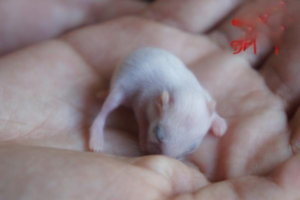
Three Principles of Feeding a Hamster
A hamster's dietary needs change as it moves through infancy, adulthood, and old age. This guide covers the three core feeding rules — moderation, dry-wet balance, and clean drinking water — to keep your hamster healthy and long-lived.

Why a Mother Cat Shows Blood but Doesn’t Deliver
If a mother cat shows bloody discharge but hasn't delivered after more than 3 hours, she may be in difficult labor and needs a vet at once. Usually she delivers 3–8 hours after bleeding, finishing within 24 hours. Learn the birthing process.

How to Feed a Red-Eared Slider and What to Watch For
Feeding a red-eared slider depends on its life stage: hatchlings need daily meat-rich meals, while adults do well with pellets, insects, and veggies two to three times a week. Keep water clean and warm (23–30°C), provide a basking spot, and stop feeding once they hibernate below 11°C — just maintain water above 4°C.

Which Ornamental Fish Can Live in Cold Water?
If heating the tank feels like a hassle, choose coldwater fish. Good options include the white cloud mountain minnow, comet goldfish, paradise fish, medaka, goby, bitterling, hillstream loach, and koi — most thrive between 5 and 30°C without a heater, though very low temperatures can dull their color.

Can You Feed Goldfish Rice?
Goldfish are omnivorous and can eat rice, but not too much. Rice is nutritionally one-sided and shouldn't be the staple; its starch can cause indigestion. Balance their diet—use goldfish pellets as staple, plus some plant/animal food and fruit. As ornamental fish, some live food also adds nutrition and color.