Search Results
75 results for “leash behavior”
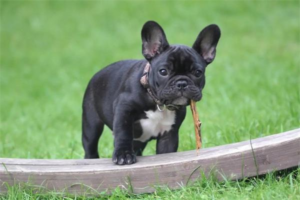
What Types of Dog Collars Are Available?
Choosing the right collar matters for every dog owner, both for safe daily walks and your dog's comfort. The market offers a wide variety of options—leather, nylon, metal chain, buckle, harness-style, studded, and even GPS-tracking collars—each designed with distinct advantages. Leather collars are durable and attractive but not water-resistant; nylon is light, washable, and adjustable; chain collars suit strong pullers yet require gentle handling; buckle collars grow with puppies; harness collars are cute and reduce strain; studded collars deter escapes; and GPS collars help recover a lost pet. Matching the collar to your dog's size, breed, and behavior—along with your own preferences—ensures both safety and comfort.

Why Does Your Dog Bite Your Pant Legs? (And What It Means)
When a dog grabs and tugs at your pant leg, it is rarely out of spite. Most often the dog is trying to get your attention, invite you to play, or signal a need such as an empty food bowl. The swaying fabric can also trigger an inherited prey drive, since a moving pant leg looks like something to chase. In some cases—especially when you pick up keys or put on shoes—it signals separation anxiety: studies show a large share of dogs chew scent-bearing items to soothe themselves when they sense you are leaving. The fix is consistency: ignore the behavior, reward calm following, offer chew toys, and meet the dog's exercise needs. Understanding the motive behind the bite is the first step to changing it, and learning your dog's other body-language cues helps you bond.

How to Train Your Dog to Run With You
Many owners like to bring the dog along on morning runs, and a well-trained dog will stay close without darting off or barking. The training works for large, medium, and small dogs alike and starts with a roughly one-meter leash fitted snugly but not tightly. Teach the dog your cue, then give a light leash tug to move together; tug back if it speeds up, and tug a bit firmer if it will not slow. Once walking together is smooth, switch to a slow jog with a longer leash, nudging pace with the lead. Reward and pat the dog the moment it completes the move, and repeat until the behavior is reliable.

How to Stop Your Dog From Eating Poop
The old saying that a dog can never be trained out of eating stool is unfair - coprophagia can be corrected with patience. The first move is to remove the opportunity: clean up after every bowel movement and keep the dog on a leash and in sight on walks so it cannot snatch another dog's waste. If you catch the behavior, interrupt and correct it calmly without physical punishment, and use gentle training to redirect it. You can also make stool less appealing by adding a taste it dislikes, then letting the dog investigate. Finally, rule out hunger: feed regular, balanced meals so the dog is never driven to eat stool by an empty stomach.

Why You Should Not Tease Your Dog
Beyond spoiling a pet, owners often tease it for fun - but careless teasing has endless harms. Dogs are highly sensitive and react fast to tiny changes in environment, weather or moving objects. Teasing destroys normal behavior rules, and once outside, bad habits explode: sudden aggression, chasing other dogs, barking. Excitable and manic dogs are unpredictable risks. To prevent bites, learn your dog's type, always use a leash, stay calm around others, and never tease - teasing erodes patience and makes a dog impulsive.

How Big Is an 8-Month-Old German Shepherd
An 8-month-old German Shepherd is no longer a puppy in behavior, but it is still a teenager in body and mind. Most dogs of this breed have passed their fastest growth phase by eight months, yet they keep filling out and strengthening for many more months. Knowing what size, weight, and temperament to expect helps you feed, exercise, and train your young dog with confidence.

Precautions for Walking Your Dog
Dogs need outdoor exercise, but it must be moderate. Three habits to avoid: walking right after a meal, making your dog jump obstacles, and using stairs as exercise. After exercise, clean the paws, and in summer offer water often to prevent heatstroke.

Should You Spay or Neuter a Dog Even If It Has a Mate?
Neutering is worth doing whether or not a dog has a mate. Without it, unplanned mating and unlimited breeding are hard to prevent: males can grow suddenly aggressive and escape during heat, and they may mate with several females, while females keep cycling until pregnant. Frequent breeding also harms the mother—repeated litters weaken her, lower immunity, and shorten lifespan, and can compromise puppy health. For your dog's health and longevity, neutering is advisable even when a mate is present.

Common Bad Habits in Cats (and How to Fix Them)
Cats aren't perfect, and they can pick up habits that frustrate owners—nighttime zoomies, ignoring their name, play-biting, scratching the furniture, and sleeping too much. The good news is that most are manageable. Reset the sleep schedule by wearing your cat out before bed; build name recognition and reward-based training at mealtimes; curb biting by never using your hands as toys and firmly scolding attacks; provide scratching posts and wrap table legs in rope; and encourage exercise, even leash walks, to prevent obesity. Fix habits early so neither your furniture nor your cat's health suffers.

Why Does Your Dog Sit Down After a Few Steps? It Could Signal Joint or Heart Trouble
A dog that keeps sitting mid-walk may just be lazy—or it may be sending a health alarm. Tell the difference by its mood and other signs: a bright, tail-wagging sit is usually fine, while a stiff, head-down, hard-to-rise sit means discomfort. Causes range from joint disease and paw injuries to heart trouble, anemia, or nerve problems, and even fear. Matching the behavior to the context tells you when a vet visit is urgent.