Search Results
220 results for “large rabbit breed”

Chinchilla laniger
The Chinchilla laniger (Chinchilla laniger) is native to the Andes Mountains of South America, where it lives in caves and rock crevices at about 1,600 m elevation. Its appearance resembles that of a rabbit and a squirrel. A special feature is its pair of large, bright, ruby-red eyes, which are beautiful.

Why a Doe Eats Her Kits and How to Prevent It
A doe may eat her kits from thirst after birth, low milk, poor prenatal nutrition, fright, a cannibalistic habit, strange smells, or illness. Prevent it with strong prenatal feeding and warm salted water after kindling, a quiet space, no scent changes or bare-hand handling, and fostering only after masking the kits with the foster doe's milk and urine.
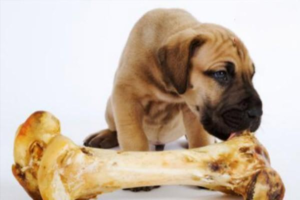
Should Dogs Eat Bones? How to Do It Safely
Vets often warn against bones because they are hard to digest and can block the gut, yet they also clean teeth, calm boredom, and add calcium. If you do give them, choose raw, large, non-hollow bones and avoid cooked poultry bones that splinter; cartilage, pressure-cooked bones, fish heads, necks, tails, frames, and pork fans are safer picks.

Long-Haired Curly Guinea Pig
The Long-Haired Curly Guinea Pig, also known as the long-curly-haired cavy, is a rare and distinctive guinea pig variety native to Peru and Brazil. With its unique curly long coat and gentle nature, it makes a beloved small pet, though its coat requires regular grooming to prevent matting.

Chinchilla Behavior and Diet: Habits and Feeding Guide
Chinchillas are hardy, heat-sensitive rodents from the Andes that need a cool environment (8–22°C) and a hay-based diet. Feed mostly timothy and alfalfa hay to wear down continuously growing teeth, add a little pelleted food and fresh water, and limit sugary snacks.
How effective is pairing a Xiasi dog with a hunting terrier for hunting?
The Xiasi is a famed Chinese hunting dog with a keen nose and team spirit that can collectively take on wild boar. The hunting terrier is fierce, enduring, and fast, suiting small prey like pheasants and rabbits but is harder to train. An experienced owner can pair the two.
How to Spot Low-Quality Cat Food at a Glance
So-called 'toxic' cat food is rarely actual poison but poor nutrition — vague meat sources, too much grain or legumes, and preservatives like BHA, BHT, and menadione that harm cats over time. Check the ingredient list and price (genuine food is never rock-bottom cheap), and always switch brands gradually over about a week.

The Dangers of Feeding Bones to Dogs
Feeding bones to dogs can cause intestinal blockages, mouth injuries, nutritional imbalances, and constipation. If you do offer bones, choose large, hard varieties (never small or brittle ones like chicken or fish), boil them plain, and keep the amount and frequency low.

Recipe: Raw Chicken Cat Food (with Bone Meat)
Raw chicken cat food is the most accepted homemade meal — even cats that turn up their nose at beef, lamb, or rabbit will eat chicken, and it is gentle on the wallet. The base is chicken thigh and breast (about 80%), with heart, liver, and gizzard for organs, then a short list of supplements: taurine, calcium, a multivitamin, a little vegetable-and-fruit puree, alfalfa and kelp powder, probiotics, and salmon oil. Dice the meat, stir everything together, portion one meal and freeze the rest. It takes under ten minutes.

What to Do If Your Dog or Cat Has Tapeworms
Many species of tapeworms parasitize dogs and cats, and the adult worms seriously harm their health, while the larval stages often use livestock or humans as intermediate hosts, threatening both animals and people. Common species include Dipylidium caninum, Taenia spp., Echinococcus granulosus, Mesocestoides, Spirometra mansoni, and Diphyllobothrium. Infection causes intestinal inflammation, malnutrition, and in severe cases intestinal blockage, with signs like vomiting, diarrhea, weight loss, and odd behavior. Diagnosis relies on clinical signs plus fecal egg exams. Prevention means regular deworming, not feeding raw offal, and controlling fleas. Treatment uses praziquantel (5 mg/kg dogs, 2 mg/kg cats), arecoline hydrobromide, bunamidine, or fenbendazole under veterinary guidance. Because some tapeworms (like Echinococcus) also endanger human health, prompt and correct control matters.