Search Results
220 results for “large rabbit breed”

Key Points for Rabbit Care in October
October brings big day-night temperature swings and the molting period, raising disease risk, so the focus is protecting pregnant does through each pregnancy stage and preparing the kindling box, storing dried forage, and preventing contagious disease with vaccination, stable warmth, and weekly disinfection.

Six Key Points for Breeding Rabbits in Summer
Summer breeding needs care: mate does below 25°C at cool times, keep bucks at about one mating a day, set first-mating age at 5 to 7 months by size, pair similar-aged adults, and use repeat or double mating to lift conception. Put the doe in the buck's cage, never the reverse.
False Pregnancy in Doe Rabbits
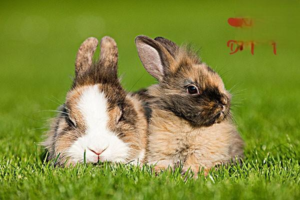
A false pregnancy makes a doe show nesting and swollen mammary signs without any kits, usually lasting 6–8 days and lowering your breeding herd's productivity. It is caused by an infertile or over-stimulating buck, uterine or vaginal inflammation, or the doe's own progesterone after ovulation. Good management, repeat or double mating, pre-mating checks, and timely re-mating keep it under control.

Things to Note for Autumn Rabbit Breeding
Autumn is a high-fertility season for rabbits, so prepare early: mate does below 25°C at cool times and in mid-to-late heat, keep first mating at 5–6 months by size, use prime adults, limit bucks to about one mating a day, hold condition and nutrition steady, and use teasers or an estrus powder for does that will not cycle.

Doe Rabbit Estrus Cycle
A doe's cycle is not fixed — it runs about 6–15 days with each heat lasting 2–4 days, shaped by nutrition, light, and climate. Heat rates and shorter cycles peak in spring and early autumn with good light and mild temperatures; cold, low light, poor nutrition, illness, or stress can delay or stop heat. By age 4–5 the ovaries fade and cycling ends.

How to Determine the Right Feed Amount for a Rabbit
The right daily feed amount for a rabbit depends on body size, body condition, droppings, hunger level, and weather. As a rule, feed to about 80% fullness, adjust greens and water based on stool consistency, and split feedings across the cooler parts of the day in hot weather.

Key Measures for Fattening Meat Rabbits
Fattening meat rabbits well depends on site and housing, environment control (30–32°C for kits, 10–25°C adults, 60–65% humidity), hygiene, good breeds, regular deworming, clean feed, grouping, quiet management, and timely sale by 5 months.

Rabbit-Raising Taboos to Avoid
Key rabbit-raising taboos: avoid high heat/humidity (keep 10–25°C, 60–65% RH), prioritize vaccination over treatment, buy breeding stock only from licensed farms, and limit to one or two breeds to protect farm economics.

Common Misconceptions in Rabbit Feeding Management
A key misconception is adding antibiotics/sulfa/garlicin to kits' feed 'to prevent illness' — these kill beneficial gut flora, so when stress breaks the microbiome, diarrhea and toxin buildup follow. Instead use probiotics and enzyme blends to build healthy flora.
How to Raise Meat Rabbits Well
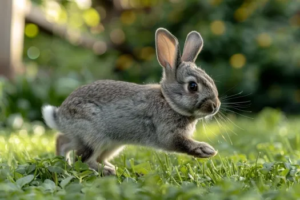
Raising meat rabbits well means timing breeding to the seasons (spring best, summer cooling, autumn nutrition during molt, winter warmth), mixing concentrate, roughage, and green feed or using complete pellets, and choosing fast-growing, disease-resistant breeds such as Belgian, New Zealand, or Chinese White rabbits.