Search Results
186 results for “kitten fever”
Is feline infectious peritonitis (FIP) contagious?
FIP is contagious but usually not through direct transmission, which is why it does not spread widely. It comes in 'wet' and 'dry' forms; the wet form is more common, with jaundice, ascites, poor appetite and weight loss, mostly in kittens. The dry form shows nodular growths and vaguer signs like lethargy, low appetite and fever.

Why Cats Are Prone to Feline Herpes (Cat Flu)
Cat flu (feline rhinotracheitis) comes from feline herpesvirus and hits weak or young cats hard; strays are commonly infected. Signs are sneezing, eye/nose discharge, and fever. The FVRCP vaccine prevents it; isolate suspects and add lysine.
My Cat’s Vaccine Spot Is Swollen — Should I Worry?
A small, soft swelling at a cat's injection site is usually normal: it clears within a few days as the vaccine fluid spreads and mild inflammation fades. Be cautious only if the lump grows past 3 cm, lasts over a week, or comes with signs of a serious allergic reaction.
FVRCP Vaccine vs. Meow San Duo — What’s the Difference?
FVRCP is the vaccine class; Meow San Duo is one product in it — like 'fruit' vs 'apple.' FVRCP protects against panleukopenia (feline distemper), viral rhinotracheitis (cat flu), and calicivirus; any vaccine covering all three earns the name. Meow San Duo is the long-standing imported inactivated FVRCP, so many owners use the name for the whole class, but domestic options now exist. Vaccinate at a licensed clinic on schedule (kittens at 8, 12, 16 weeks, then boosters), deworm first, and watch for reactions; even indoor cats need it.
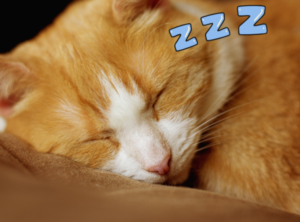
Is It Normal for a Cat to Sleep All Day?
It's normal for a healthy adult cat to sleep 15–20 hours a day (kittens and seniors even more). Most of that is light dozing — only 20–30% is deep sleep. If your cat wakes cheerful and eats normally, don't worry; but sudden lethargy with appetite loss, weight loss, fast breathing, or hiding needs a vet.
100 Essential Tips Every New Cat Owner Should Know
Bringing home a first kitten is exciting but daunting, and poor care can hurt both of you. These 100 essentials cover diet (life-stage food, toxic grapes/chocolate/onion/garlic, no bones or raw meat, fresh water), daily care (brushing, nail and ear cleaning, litter hygiene, n+1 boxes), health (vaccines at 8–12 weeks, deworming, normal temperature 38–39.2°C, spay/neuter, no human meds), behavior (slow blinks, tail talk, no punishment), and home safety (screens, hiding wires, toxic plants, no smoke). Read them once and you'll share a calmer, healthier life with your cat.

How to Safely Cuddle Your Cat and Stay Healthy
Cuddling and nuzzling a cat - playfully called "sniffing the cat" - is a way owners show affection, and cats are uniquely cuddle-friendly because they barely smell. Unlike dogs, whose whole-body sweat glands make them rank without baths, a cat's scattered glands and constant self-grooming, plus sunbathing that kills bacteria, leave little odor. But close contact is not risk-free: diseases in cat feces or on the coat can pass to people. These include toxoplasmosis, cryptosporidiosis, and roundworm (mostly a kitten worry), plus Q fever from Coxiella burnetii, flea-driven skin allergies, and rarely rabies or hepatitis. Enjoy the cuddle, but wash up after, keep indoor cats' litter clean, and be extra careful if you are pregnant or unwell.

What Diseases Does the FVRCP Cat Vaccine Prevent?
The FVRCP vaccine, commonly called the cat triple vaccine, protects against three contagious feline diseases: feline viral rhinotracheitis (FVR), calicivirus (FCV), and panleukopenia (FPV, or feline distemper). It greatly lowers infection risk but is not a full guarantee. Kittens can start at eight weeks, need two to three shots three to four weeks apart, and then an annual booster. Sick or pregnant cats should not be vaccinated.

What to Do When Your Cat’s Temperature Drops to 37°C
A normal cat temperature sits between 38.5°C and 39.5°C, so a reading of 37°C is below the healthy range and worth taking seriously. The right response depends entirely on the cause. Sometimes it signals a weak or sick cat that needs warmth and a vet; other times it is a normal, expected dip just before labor. Here is how to tell the difference.

Cat Upper Respiratory Infection: Symptoms and Treatment
A cat upper respiratory infection is inflammation of the mucous membranes of the upper airways. Affected cats typically cough, sneeze, and have a runny nose, sometimes with yellow nasal discharge, and a sudden drop in temperature, poor nutrition, or stress can trigger an outbreak. The usual culprits are viruses such as herpesvirus and calicivirus, bacteria such as Chlamydia, and fungi such as Cryptococcus. This article covers the common pathogens, how viral, bacterial, and fungal infections differ in their signs, what else can mimic these symptoms, and the supportive care and medications veterinarians rely on to treat them, from keeping the eyes and nose clear to antiviral, antibiotic, and antifungal therapy.