Search Results
186 results for “kitten fever”
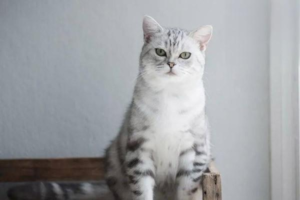
Symptoms of Fever in Kittens
Not only people catch colds and fevers; small animals do too. The most obvious sign of fever in cats is a rise in body temperature; a temperature of 39.2°C means fever. Below we explain in detail the symptoms of fever in kittens.
Kitten vomits yellow fluid, won’t eat or drink, sploots, has bad breath and fever
With vomiting yellow fluid, refusal to eat or drink, splooting, and fever in a young kitten, the initial judgment is an infectious disease such as coronavirus or parvovirus. Take it to a vet promptly to confirm and treat; delay can cause collapse and worsening.
My kitten scratched its eye corner, nose and mouth and now has inflammation and fever – what should I do?
Surface scratches rarely cause fever; persistent fever suggests calicivirus or FIP. Take it to a vet, especially with increased eye/nose discharge.
My 2-Month-Old Kitten Vomited White Foam and Lots of Water All Day the First Day; Next Day Had a 40.3°C Fever, Lethargic, Slept Constantly; Recently Poor Appetite, Weak When Walking, Rapid Breathing About 50/min, Seems Dying
Per description, vomiting, fever, lethargy, weakness, rapid breathing suggest panleukopenia, FIP, or other infectious disease. Unvaccinated kittens are high-risk; these are dangerous with high mortality. Seek vet promptly - timely treatment matters, don't delay or the kitten may die.
My foundling orange kitten had normal stool first day on kibble, then diarrhea; only fed kibble and lactose-free milk, gave smecta and probiotics, improved, then relapsed after stopping smecta; no fever/vomit, eats/sleeps well but diarrhea; today a bit of blood.
Give pet probiotics for diarrhea; avoid dairy (even lactose-free). If no improvement plus blood, likely parasite-induced enteritis—get a fecal test first to identify the parasite, then choose dewormer (giardia/coccidia need specific drugs, common dewormers don't work; both cause persistent bloody diarrhea; also roundworm/tapeworm). Severe bleeding: oral anti-inflammatory. If blood/diarrhea with low appetite/fever/lethargy, check for panleukopenia.
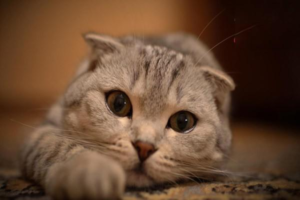
What to Do When a Kitten Sneezes with a Clear Runny Nose
Clear, watery nasal discharge in a kitten usually means a mild common cold rather than rhinotracheitis — observe first if there's no fever or eye redness. Keep the environment clean and warm, add nutrition, and never give human cold medicine, which can harm the kidneys or liver.

Common Illnesses and Symptoms in Kittens
Kittens have weak immunity, so watch daily for dullness or odd behavior. Beware parvovirus, gastroenteritis, rhinotracheitis, ringworm, and ear mites, all serious and contagious, needing prompt isolation and a vet.
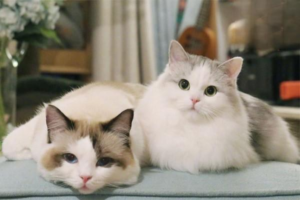
How to Tell If Your Cat Has a Fever
A cat's normal temperature runs 38.0–39.0°C for adults and 38.5–39.5°C for kittens; a hot, dry ear or, more reliably, a rectal reading above 39.5°C signals fever. Short-term cooling (shade, paw-pad wiping, cool towels) helps, but the underlying cause, from infection to pyometra, needs a vet.

Is It Normal for a Kitten to Drink a Lot of Water?
A cat that suddenly drinks far more than usual is usually responding to either diet or disease. Dry or salty food can temporarily raise intake and tends to self-correct, but persistent thirst often signals a medical problem — most commonly chronic kidney disease, Cushing's disease, pyometra, or diabetes. Any unexplained spike in drinking warrants a veterinary check.

What to Do When a Kitten Catches a Cold
Kittens catch colds easily from seasonal changes or contact with sick cats, and the smallest ones have the weakest immunity. Watch for a dry, warm nose, sneezing, coughing, runny eyes, and loss of appetite, then check the temperature, adjust the diet, encourage sunlight and ventilation, and use cold medication as needed.