Search Results
91 results for “kitten antibiotics”

Common Postpartum Diseases in Mother Cats and Their Prevention
After giving birth, mother cats are prone to several conditions — pyometra, poor milk let-down, mastitis, and postpartum depression. Most stem from infection or hormonal changes in the 2–3 weeks after delivery. Good hygiene, balanced nutrition, and a calm environment are the cornerstones of prevention.

Why Do Cats Get Entropion
Entropion is when the eyelid folds inward so the lashes rub the eye, causing pain, discharge, and even corneal damage. Causes include breed conformation, spasms, sunken eyes, or injury. Surgery is the lasting fix; mild cases may be temporarily stitched.

How to Tell If Your Cat Has Miscarried
Early in pregnancy a miscarriage is subtle — occasional pink discharge and a slight drop in appetite. After a month, when the kittens are formed, you'll see heavy red discharge with abdominal pain, cramping, lethargy, and poor appetite; a premature birth yields very small live or dead kittens, even mummified ones. After any miscarriage, see a vet for X-ray or ultrasound to confirm the placenta is fully expelled and prevent infection.

Can Cat AIDS Be Transmitted to Humans?
Feline AIDS is caused by the feline immunodeficiency virus (FIV), which, like HIV in people, damages a cat's immune system. The reassuring answer is that cat AIDS does not spread to humans; there is no solid evidence of FIV passing between people. Still, the virus is highly contagious among cats, so protect your own cat by keeping it healthy with regular checkups, good hygiene for bowls, and avoiding contact with stray or wild cats. An infected cat carries a high viral load in its saliva and can pass FIV through bites or mutual grooming, and a mother can pass it to her kittens. Among cats, isolate any FIV-positive cat, have it neutered, and limit contact with other pets; test new cats before bringing them home and vaccinate after two months. FIV cannot be cured and is managed supportively, often with no treatment if the cat shows no symptoms beyond indoor isolation, checkups, and quality food, while symptomatic cats get targeted care such as antibiotics, steroids, antivirals, or interferon. With isolation and good care, an FIV cat can live long.

Why Some Pet Skin Sprays Stop Working—and What to Look For
Many owners find a skin spray works at first, then fades—or the problem returns. The cause is often resistance: chemical antimicrobials can drive microbes to mutate, and sprays loaded with hormones or strong antibiotics can damage a delicate skin barrier and sicken a pet that licks them. A different approach uses nano-silver, which kills physically rather than chemically, lowering resistance risk. Here is what to know when choosing a skin spray.

Cat Upper Respiratory Infection: Symptoms and Treatment
A cat upper respiratory infection is inflammation of the mucous membranes of the upper airways. Affected cats typically cough, sneeze, and have a runny nose, sometimes with yellow nasal discharge, and a sudden drop in temperature, poor nutrition, or stress can trigger an outbreak. The usual culprits are viruses such as herpesvirus and calicivirus, bacteria such as Chlamydia, and fungi such as Cryptococcus. This article covers the common pathogens, how viral, bacterial, and fungal infections differ in their signs, what else can mimic these symptoms, and the supportive care and medications veterinarians rely on to treat them, from keeping the eyes and nose clear to antiviral, antibiotic, and antifungal therapy.

Everyday Flea Prevention and Care for Cat Households
Spring and summer are peak parasite season, and fleas are a common nuisance for cat owners. A cat that scratches constantly may have fleas, mites, allergies, or ringworm — confirm with a Wood's lamp, hair exam, or the classic 'damp tissue test' where flea dirt turns red. These tiny jumpers can produce 250,000 offspring a month, so prevention matters: vacuum cracks and gaps, comb with a flea comb twice weekly, hot-wash bedding, and keep the home dry (fleas like 18–27°C, ~75% humidity). If infected, use monthly topical prevention, treat inflamed skin, and watch for tapeworms passed via fleas.

What Every Pet Owner Should Know About Vaccinations
Vaccines are a core part of protecting your dog or cat. A vaccine is a weakened virus that trains the immune system to fight real infections, guarding against deadly diseases such as distemper, parvovirus, adenovirus, rabies, feline panleukopenia, calicivirus, and rhinotracheitis. Puppies can be vaccinated from 45 days old and kittens from 63 days, after weaning and a short settling-in period. Even with proper vaccines, immunity can fail due to maternal antibodies, immunosuppression, stress, or infection during the incubation window—so follow your vet's timing.
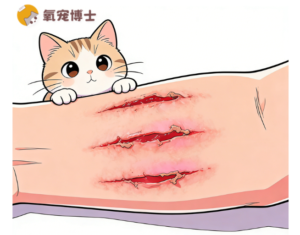
Cat Scratch Disease: A Zoonosis You Should Know
Cat scratch disease is a bacterial infection from Bartonella henselae, passed mainly by a cat's scratch or bite. Cats carry it without symptoms, but people can develop a red bump, swollen lymph nodes, and fever. Most cases are mild and self-limiting, yet antibiotics help when symptoms are strong. Wash any scratch well, and see a doctor if signs appear—especially for children and the immunocompromised.

How Feline Chlamydial Pneumonia Develops
Feline chlamydial pneumonia is a highly contagious but uncommon cat disease, well covered by routine vaccination, so regularly vaccinated cats rarely catch it. It spreads through eye, nose and mouth secretions on shared bowls, cages or hands, and by sneezing. It starts as conjunctivitis and, left untreated, can advance to fever, pneumonia and infections of the airways or reproductive tract. Antibiotic eye ointment and oral antibiotics clear it, but recovered cats still carry and shed the organism, so isolation matters.