Search Results
91 results for “kitten antibiotics”

What Is Feline Leukemia (FeLV)?
Feline leukemia (FeLV) is a widespread, incurable retrovirus that suppresses the immune system and is a top cause of cat cancer (over 30%). It spreads by saliva, mother-to-kitten, blood, and shared litter; only prevention via vaccine and limiting exposure helps.

Feline Vitamin Deficiency Syndromes
Of the vitamins cats need, some are made by the body, some from food. Lack of a specific vitamin causes a specific deficiency syndrome; long ignored, it can be fatal.
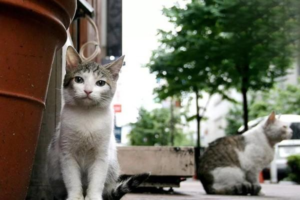
Why Cats Get Feline Panleukopenia
Feline panleukopenia, also called feline distemper, feline infectious enteritis, or feline parvovirus infection, is an acute, highly contagious disease of cats caused by the feline panleukopenia virus. It shows as sudden high fever, stubborn vomiting, diarrhea, dehydration, and severe leukopenia, and is one of the most important feline infectious diseases.

Cat Acute Diarrhea: Symptoms and Treatment
Diarrhea is caused by excess water in the stool and is an important sign of intestinal disease in cats. It can affect your cat through severe fluid loss, leading to dehydration, electrolyte imbalance or acid-base disturbance.
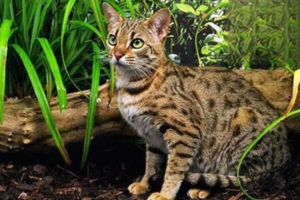
Can Feline AIDS Be Cured?
Feline AIDS (FIV) attacks a cat's immune system via bite saliva and is not transmissible to people. There's no cure, but with good care many cats live a normal lifespan. Prevention means avoiding fights and isolating infected cats.

FIP in Cats: Symptoms and Treatment
FIP, short for Feline Infectious Peritonitis, means inflammation of the abdominal lining. When this inflammation is linked to a specific mutated feline coronavirus, it is infectious peritonitis (FIP). Only a small fraction of coronavirus strains cause FIP.
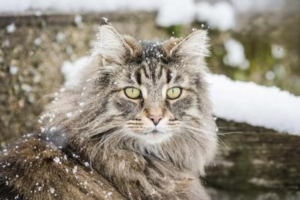
Does an Indoor Cat Still Need Deworming?
Even strictly indoor cats meet parasites via your shoes, plants, drains, and raw-food diets. Internal and external deworming every 1–3 months keeps your cat — and your family — healthy.

Why Is My Cat Sneezing
Pets and people sneeze for two usual reasons: inflamed nasal lining or a foreign object in the nostril. If exposed to irritants or a respiratory infection, the lining inflames.

Feline Rhinotracheitis (Cat Flu): Symptoms and Treatment
Feline rhinotracheitis, also called infectious rhinotracheitis, is a highly contagious herpesvirus infection causing fever, sneezing, eye discharge, and sometimes death—especially in kittens. This article covers its causes, symptoms, medication-based treatment, and vaccine prevention.

Diagnosing and Treating Feline Hypoglycemia
Feline hypoglycemia is diagnosed from clinical signs plus low blood glucose (ketones in urine are a key clue), with X-rays hinting at liver disease. Treatment centers on restoring sugar — IV glucose for sick cats, oral glucose if they can keep it down — plus diet adjustment, B vitamins, fluids, and antibiotics to prevent secondary infection.