Search Results
30 results for “kit separation”

Symptoms and Treatment of Postpartum Depression in Cats
The greatest love is a mother's. Birth is painful, and some mothers fall into depression, withdrawal, and self-doubt afterward—and cats are no exception. This article covers the causes, symptoms, and treatment of feline postpartum depression.

Why Does a Cat Guard Its Food?
Many owners see their cat guarding food. The causes include insufficient food, early weaning, territory disputes, or instinct. Here is why cats guard food and how to address it.
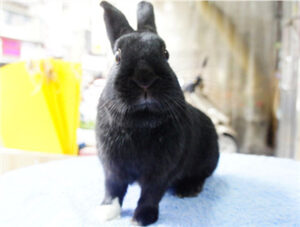
Havana Rabbit
The Havana Rabbit is a popular fur rabbit whose beautiful chocolate- or blue-colored coat makes it prized for pelts and increasingly kept as a pet. Originating in the Netherlands, it is lively and needs careful early-life care and coccidiosis prevention.

How to House Two Chinchillas Together (Co-Caging)
Co-caging two chinchillas needs familiarization first (side-by-side cages or swapping for a week) and separation at the first fight. Use the female's or a new cage (females are dominant). Only pair opposite sexes at 8+ months and 500 g, with similar weights, both healthy, and no inbreeding (avoid two white-gene or two velvet-gene mates, and never siblings). Separate right after a copulatory plug appears to protect a pregnancy.

Common Causes and Treatment of Chinchilla Dystocia (Difficult Birth)
Oversized fetuses, malpresentation, and a small mother are common causes of chinchilla dystocia. Avoid breeding chinchillas too early and prepare well during pregnancy to lower the risk. This article details the causes and how to handle a difficult birth.
Why Does My Cat Scratch When I Get Home?
When your cat scratches as you walk in, it is usually a happy greeting — a way to release the stress of being alone and to re-mark the territory with its own scent after you return carrying outside smells. It is a sign of love and trust, not rejection.
5 Levels of How Much Your Cat Loves You
Cats show love quietly. The five levels run from simply watching and trusting you, to seeking you out, bringing you 'gifts,' exposing the vulnerable belly, and finally showing distress when you're gone. Wherever your cat lands, the key is to respect its individual personality.

What Kinds of Cats Are the Most Affectionate
Cats have a reputation for being aloof, so when one chooses to cuddle and beg for attention it feels like a real win. Affection shows up as following you room to room, jumping on your laptop, sleeping in your bed, sitting on your lap, meowing or pawing for notice, and rubbing its face on you. Male cats tend to be cuddlier than females because they act on instinct and, after neutering, pour that need for contact onto their owner. Breeds like American Shorthair, Ragdoll, Maine Coon, and Siamese lean affectionate. Build trust by meeting the cat's needs and respecting its space, but beware over-dependence: too much clinginess can become separation anxiety, a real stress disorder worth managing.

A Shy, People-Scared Cat in Its New Home
Before the kitten arrives, ready the litter, bed, bowls, food, scratcher, and a carrier; add cleaning tools and toys later. Give it a safe space out of direct sun, and use a crate if the home is not yet cat-proofed. Keep noise and interference low—a new cat is wary and loud sounds spike stress. Let it approach you; when it does, pick it up gently and release the moment it tires. Use a soft voice and learn where it likes to be petted to build trust—and on return from a short absence, reassure it calmly, since stress can cause diarrhea.

Causes of Feline Phobias
Fear is a normal response to threatening stimuli, but when it becomes excessive and irrational it crosses into phobia. This article explains the possible triggers of feline phobias, how they develop through innate and learned pathways, the sensitive period of kitten socialization, and how to prevent fear from becoming a lifelong problem.
- « Previous
- 1
- 2
- 3