Search Results
30 results for “kit separation”
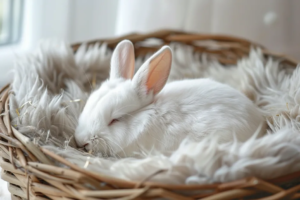
Why Should You House Rabbit Kits Separately from the Doe?
Separating rabbit kits from the doe after birth — nursing her in twice daily — protects the mother's recovery and lets her breed again within a month, stops the kits from competing for adult feed (which damages their immature guts), and sharply cuts coccidiosis and other kit diseases. After separation, watch the kits' growth (red ears = well-fed) and guard against escapes and predators.
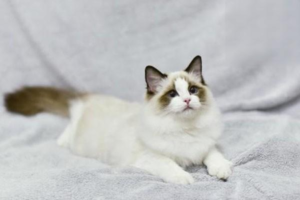
How to Wean a Kitten
If not weaned at the right time, a kitten may want mother's milk into adulthood. Usually by 2 months it should be fully weaned.

Is Your Dog Overly Clingy? Understanding Separation Anxiety
Clinginess can be normal affection, but destructive solo behavior may signal separation anxiety. Build independence with shared care, calm departures, and desensitization.

Why Is a Young Kitten Cold and Weak?
A cold, weak kitten may be from low temperature, poor nutrition, lack of security, or illness. Newborns can't regulate temperature, so cold environments drop their body heat. High nutritional need means shortage causes weakness and low temperature. Early separation from the mother or threats causes stress. Illnesses like respiratory infection or indigestion also cause it. Respond with warmth, nutrition, treatment, and a safe environment.
How Soon Can a Kitten Leave Its Mother?
Generally a kitten can leave its mother at 2 months and live independently. Weak kittens should wait and can get goat milk or kitten food.

How to Feed a Newborn Chinchilla Kit
Newborn kits nurse once dry; hand-feed with diluted formula (2-4 ml, 4-5x/day) if there are more than 3 kits or the mother neglects them. Keep them at 10-20 C, secure the cage, and wean by 6 weeks (2 months fully), separating by sex to avoid early breeding.

Can Kittens Recognize Their Mother?
Kittens do recognize their mother, mainly through smell, sound, and her looks and care. Raised by her side, they remember her scent for life; only long separation makes the scent fade, after which they may find it familiar but not know her. Sight, vocal cues, and grooming all reinforce the bond.
Cat Destroying the House or Peeing Everywhere? It May Be Separation Anxiety
A cat that wrecks furniture, pees on the bed, cries for hours, stops eating, or over-grooms when left alone may have separation anxiety — not just mischief. Causes range from early trauma and environment changes to clingy breeds and single-person attachment. Fix it with desensitization to leaving cues, environmental enrichment, and scent-based security.

Is the Akita a Banned Dog Breed?
Akitas are banned in many major Chinese cities (Chengdu, Shanghai, Beijing, Shenzhen, Chongqing, Guangzhou, Tianjin) because city rules prohibit private ownership of large dogs — shoulder width over 60 cm or length over 100 cm — and the breed's hunting heritage and strong territorial drive can make it aggressive without training. Owners must follow leash and licensing laws and invest in socialization.
6 Mistakes to Avoid When a Kitten First Comes Home
Six common new-kitten mistakes: switching food at once, bathing too soon, overwhelming it with handling, self-medicating, misplacing the litter box, and skipping socialization. Give the kitten time and a calm space to adjust, and it will thrive.