Search Results
30 results for “kit colostrum”

Factors That Affect Baby Rabbit Survival Rates
The main factor in kit survival is the strength of the kits' own immunity, with poor care being a close second. This guide covers nest box setup, nursing, preventing cannibalism, and safe weaning to raise more healthy rabbits.

Chartreux
The Chartreux, also called the Chartreux Blue Cat, has the English name Chartreux. Native to France, its history dates to the 14th century. Together with the British Shorthair Blue and the Russian Blue, it is one of the world's three great blue cats. The Chartreux has a long history, recorded in publications as early as 1558.
How soon after giving birth does a cat start nursing?
Kittens seek the mother's nipples on their own; nursing as early as possible improves survival. Colostrum is rich in nutrition and, more importantly, maternal antibodies that boost immunity. In the first 3 to 5 days ensure ample milk and supplement the mother's nutrition.
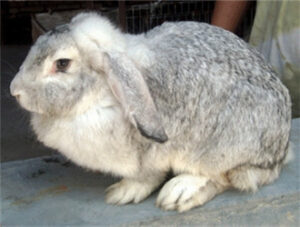
Ram Rabbit
The Ram Rabbit is a large, lop-eared meat rabbit originally from North Africa, known for its ram-like head and gentle, slow temperament. Mainly raised on farms, it has low fertility, so special attention to nutrition during pregnancy is essential.

Chinchilla Pregnancy and Post-Birth Care
During pregnancy separate the pair, feed easily digested high-nutrition food, remove high platforms after 80 days, and keep the nest warm and quiet. After birth ensure kits nurse colostrum within 4 hours; only 2-3 of the three nipple pairs produce milk, so hand-rear or foster the extras.
When does a pregnant cat start producing milk?
A pregnant cat usually produces milk 1-2 days before delivery; this first milk (colostrum) is beige. The cat usually licks it away, so it is hard to observe, but its appearance means delivery is near. Let kittens nurse colostrum quickly to boost survival.

Common Postpartum Diseases in Mother Cats and Their Prevention
After giving birth, mother cats are prone to several conditions — pyometra, poor milk let-down, mastitis, and postpartum depression. Most stem from infection or hormonal changes in the 2–3 weeks after delivery. Good hygiene, balanced nutrition, and a calm environment are the cornerstones of prevention.

Understanding Cat Blood Types: A, B, and AB
Cats have three blood types, A, B, and AB, with a dominance order of A over B over AB, and a kitten's type is set by its parents. Type A is by far the most common and varies by breed: Siamese are all type A, Himalayans and Maine Coons are about 90% A, while Turkish Vans can be 60% type B. Blood type matters for safe transfusions and for breeding, because a type B queen nursing type A or AB kittens can trigger fatal neonatal isoerythrolysis. Always blood-type and cross-match cats before transfusion or mating.

When Does a Pregnant Cat First Produce Milk?
A cat's pregnancy lasts about 60 days, and she usually starts producing milk, the first colostrum, only one to two days before delivery; there is no milk in early or mid pregnancy. The creamy-yellow colostrum is licked off immediately, so owners rarely notice it, but its appearance means birth is near and a birthing area should be ready. The nursing period runs about six weeks, after which kittens are weaned.

What Every Pet Owner Should Know About Vaccinations
Vaccines are a core part of protecting your dog or cat. A vaccine is a weakened virus that trains the immune system to fight real infections, guarding against deadly diseases such as distemper, parvovirus, adenovirus, rabies, feline panleukopenia, calicivirus, and rhinotracheitis. Puppies can be vaccinated from 45 days old and kittens from 63 days, after weaning and a short settling-in period. Even with proper vaccines, immunity can fail due to maternal antibodies, immunosuppression, stress, or infection during the incubation window—so follow your vet's timing.
- « Previous
- 1
- 2
- 3