Search Results
26 results for “kit colostrum”

Nine Measures for Steady, High-Yield Rabbit Breeding
Steady, high rabbit yields come from selecting strong breeding stock, mating at the right time, careful feeding, protecting pregnancy (days 10-20 are highest risk), assisted birth, attentive postpartum and kit care, and timely weaning at 40-45 days.

Signs That a Rabbit Is Approaching Labor
A kit's birth is joyful but demanding. Knowing the pre-labor signs helps you prepare for kindling. Here are the signs a doe is about to give birth.

Problems That May Arise During Rabbit Kindling
If you plan to breed rabbits, how much do you know about care from pregnancy to birth? Here are the issues that can come up and how to handle them for healthy kits.

Rabbit Care During the Kindling Period
Every owner is excited for new kits, but they are fragile. Good care decides survival. Here is how to manage the kindling period.

Caring for a Doe Rabbit Before and After Birth
Care around birth affects kit survival. Before birth build reserves; after, support milk and watch nursing. Here is the full schedule.

Signs a Doe Rabbit Is About to Give Birth
Does often deliver at dawn while you sleep, so learning the pre-birth signs lets you stay up to watch. Here is what to expect before and during birth.

Factors That Affect Baby Rabbit Survival Rates
The main factor in kit survival is the strength of the kits' own immunity, with poor care being a close second. This guide covers nest box setup, nursing, preventing cannibalism, and safe weaning to raise more healthy rabbits.

Chartreux
The Chartreux, also called the Chartreux Blue Cat, has the English name Chartreux. Native to France, its history dates to the 14th century. Together with the British Shorthair Blue and the Russian Blue, it is one of the world's three great blue cats. The Chartreux has a long history, recorded in publications as early as 1558.
How soon after giving birth does a cat start nursing?
Kittens seek the mother's nipples on their own; nursing as early as possible improves survival. Colostrum is rich in nutrition and, more importantly, maternal antibodies that boost immunity. In the first 3 to 5 days ensure ample milk and supplement the mother's nutrition.
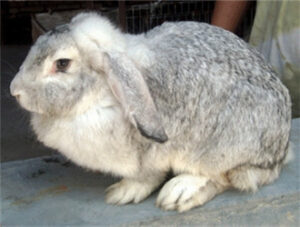
Ram Rabbit
The Ram Rabbit is a large, lop-eared meat rabbit originally from North Africa, known for its ram-like head and gentle, slow temperament. Mainly raised on farms, it has low fertility, so special attention to nutrition during pregnancy is essential.
- « Previous
- 1
- 2
- 3
- Next »