Search Results
85 results for “kidney deficiency”

Dog Diarrhea: Causes and Treatment
Healthy dogs pass firm, brown stools one to two times a day. Diarrhea — loose, watery, or bloody stools with a strong odor — signals an underlying problem. Causes range from mild dietary upset to infections, parasites, IBD, and other diseases, so persistent or severe cases need a vet.

Intestinal Intussusception in Dogs: An In-Depth Guide
Intussusception occurs when one segment of the intestine telescopes into an adjacent section, most often in the small intestine. A complete blockage can cause acute, severe symptoms and even shock or death. Recognizing the causes and diagnostic steps helps your vet treat it before it becomes life-threatening.

What to Do When Your Cat Gets Eczema
Damp weather from May to September invites eczema in cats too. Brush often and give sun time to prevent it. What is cat eczema and how is it treated?

Causes and Types of Cat Anemia
Cat anemia arises from poor nutrition, parasites, leukemia or kidney disease, blood loss, bone marrow defects, and poisons such as onions or rodenticide, and is classified as regenerative (blood loss or hemolysis) or non-regenerative (marrow or systemic disease). A vet must identify the type and cause quickly because most underlying diseases have serious complications.

How Long Can a Dog with Severe Anemia Survive?
How long a severely anemic dog survives depends on the cause and severity: nutritional, toxic, or blood-loss anemia often does not shorten life with timely care, while hemolytic anemia is urgent and aplastic anemia from leukemia or kidney disease may be short. Treating the underlying cause is what determines the outcome.

Can Cat Anemia Heal on Its Own?
Cat anemia rarely resolves on its own except in kittens with simple nutritional deficiency, which often improves after diet correction. Most cases, caused by parasites, disease, toxins, or blood loss, require veterinary diagnosis and treatment of the underlying cause, plus nutritional support and, when severe, a blood transfusion.
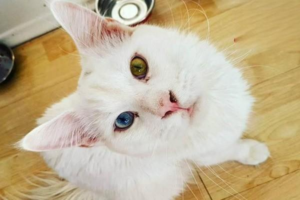
What Causes Anemia in Cats?
Cat anemia is split into regenerative (from blood loss or hemolysis) and the more common non-regenerative type, where the bone marrow makes too few red cells. Leading causes include leukemia, chronic disease or drug toxicity, iron or B-vitamin deficiency, and kidney failure in older cats.

Understanding Pet Diabetes: Symptoms & Treatment in Dogs and Cats
Diabetes in pets is mostly primary (beta-cell damage) and shows as eat-more/drink-more/urinate-more/weight-loss. Management needs insulin, glucose-lowering drugs, fluids, diet, and infection control; prevention is fiber, exercise, and regular glucose checks.

Understanding Pet Diabetes: Symptoms & Treatment in Dogs and Cats
Diabetes in pets is mostly primary (beta-cell damage) and shows as eat-more/drink-more/urinate-more/weight-loss. Management needs insulin, glucose-lowering drugs, fluids, diet, and infection control; prevention is fiber, exercise, and regular glucose checks.

Understanding Pet Diabetes: Symptoms & Treatment in Dogs and Cats
Diabetes in pets is mostly primary (beta-cell damage) and shows as eat-more/drink-more/urinate-more/weight-loss. Management needs insulin, glucose-lowering drugs, fluids, diet, and infection control; prevention is fiber, exercise, and regular glucose checks.