Search Results
784 results for “keep dog warm”

LionHead Rabbit
The LionHead Rabbit is a small, gentle pet rabbit named for the ruff of long fur around its head that looks like a lion's mane. Originating in Belgium and bred in the Netherlands and US, it is sturdy and clean, needs daily coat care and a wire-free cage, and lives 5–7 years.

Geometric tortoise
The Geometric Tortoise (Psammobates geometricus) is a rare, strikingly patterned South African tortoise protected as endangered. Extremely sensitive to humidity and a challenge to keep alive in captivity, it is best appreciated in the wild or by experts.

Pseudemydura umbrina (Western Swamp Turtle)
The Western swamp turtle (Pseudemydura umbrina) is one of Australia's smallest turtles; males have a 155 mm shell and weigh 550 g, while females reach 135 mm and 410 g. Its coloration varies with age and habitat, and it is listed as Critically Endangered.
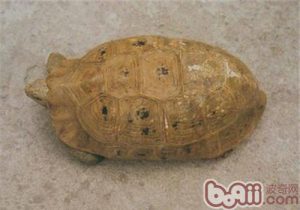
Celebes Tortoise
The Celebes Tortoise (Indotestudo forstenii), also called the Sulawesi tortoise, is a herbivorous land tortoise native to the Indonesian islands. It resembles the Burmese mountain tortoise but grows slightly larger, and is relatively easy to keep in captivity.

Canine and Feline Aural Hematoma
An aural hematoma is a pocket of blood that forms between the skin and cartilage of the ear flap, usually triggered by vigorous head shaking or scratching. Small collections may be drained, but most require surgery to prevent a permanently scarred, thickened ear.

Canine and Feline Hordeolum (Stye) and Chalazion: Symptoms, Treatment, and Care
A hordeolum (stye) or chalazion is a localized infection or blockage of the eyelid glands in dogs and cats, usually from Staphylococcus. Small ones settle with warm compresses; large or persistent ones may need drainage or surgery.

Canine and Feline Hyperadrenocorticism (Cushing’s Syndrome)
Hyperadrenocorticism, or Cushing's disease, is an endocrine disorder in which the adrenal glands overproduce cortisol, most often because of a pituitary tumor. It causes increased thirst and urination, a ravenous appetite, muscle wasting, a pot-bellied appearance, and symmetric hair loss, and usually requires lifelong management.

Canine Hookworm Infection (Ancylostomiasis): Symptoms, Treatment, and Prevention
Hookworm infection is a parasitic disease of dogs caused by Ancylostoma and Uncinaria species that attach to the intestinal wall and feed on blood, producing severe anemia. It is treatable with anthelmintics and, in serious cases, transfusion.

Canine and Feline Eperythrozoonosis (Hemotrophic Mycoplasmosis): Symptoms, Transmission, and Treatment
Eperythrozoonosis, also called hemotrophic mycoplasmosis, is a tick- and flea-borne infectious disease of dogs and cats marked by anemia and jaundice. It is treated with tetracycline-class antibiotics and supportive care.

Rabies: Symptoms, Transmission, and the Critical Importance of Vaccination
Rabies is a fatal viral disease that affects the brain and spinal cord of mammals, including dogs, cats, and humans. It spreads through the bite of an infected animal and causes fear of water, light, and progressive paralysis. Prevention through vaccination is the only reliable defense.