Search Results
68 results for “intestinal blockage”
Why Is My Rabbit Constipated?
Rabbit constipation has many triggers: poor diet, too little exercise, not enough water, or an underlying illness. Rabbits are herbivores whose staple is grass, rich in the fiber their gut needs; a low-fiber or dry, hard diet—plus too much sugar or fat—stalls digestion. Without exercise, gut movement slows; without water, stools dry out. Persistent constipation can also signal blockages, parasites, or other disease, so see a vet if it keeps up. Fix it with more fiber (grass, vegetables), regular exercise and outdoor time, and constant fresh water—and ask a vet if it lingers.
Ten Foods That Are Toxic to Cats
Cats are curious eaters, and many common human foods are dangerous for them. This list covers ten items to keep away from your cat: grapes and raisins (kidney failure), chocolate (a toxin that hits the digestive system, nerves, and heart), caffeine, too much organ meat (calcium deficiency and mobility problems), tomato leaves and stems, mosquito-coil liquid (a surprising summer respiratory hazard), fish bones (choking and perforation), onions and leeks (red-blood-cell destruction), persimmon seeds (blockage and enteritis), and raw seafood (vitamin B deficiency and hind-leg paralysis). Knowing these helps you prevent accidental poisoning.
Different Types of Vomiting in Dogs
Dog vomiting falls into three patterns. Single vomiting happens once and resolves, often from overeating or exercise right after eating, though stress-induced cases need monitoring. Persistent vomiting repeats frequently with bile, intestinal contents, or blood—pointing to acute gastroenteritis or blockage. Long-term intermittent vomiting recurs cyclically and suggests chronic gut issues, irritable bowel, or metabolic disease.

Chylothorax in Dogs and Cats: Symptoms, Treatment, and Prevention
Chylothorax is lymph (chyle) leaking into the chest cavity, usually from a blocked or ruptured thoracic duct, causing breathing difficulty and weight loss. It is managed with surgery to tie off the duct plus drainage and a low-fat diet.

Constipation in Dogs and Cats
Constipation is the difficult or absent passage of stool as fecal material hardens and accumulates in the bowel, eventually distending the intestine. It most often affects older dogs and cats and causes straining, discomfort, and loss of appetite; management ranges from enemas and stool softeners to surgery in severe cases.
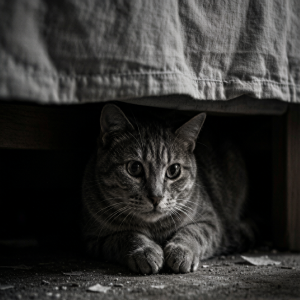
Cat Stress: Signs and What to Do
Basic knowledge about stress reactions in cats.
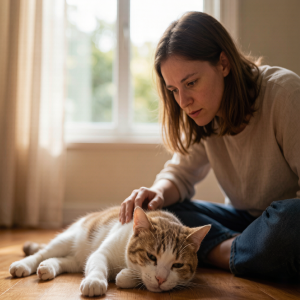
Diseases with Symptoms Similar to Feline Liver Failure
Liver failure is an abnormality that occurs when the liver is affected by impaired blood flow, reduced oxygen supply, hepatotoxic drugs or chemicals, excess heat, or infectious agents. Liver failure can occur in dogs and cats of all ages and breeds. It may affect multiple organ systems, including the liver and gallbladder, nervous system, gastrointestinal tract, and blood system. Affected pets may show various symptoms, including anorexia, lethargy, depression, vomiting, diarrhea, seizures, abdominal fluid accumulation, bleeding, and jaundice (yellowing of the skin).

What Parasites Live Inside Cats
Cats can harbor several internal parasites, each with its own tell-tale signs. Roundworms, hookworms, filarial worms, and tapeworms differ in appearance and symptoms but all deserve prompt attention. A regular deworming routine is the simplest way to protect your cat's health.
- « Previous
- 1
- …
- 5
- 6
- 7