Search Results
161 results for “intestinal blockage”
Why does my cat keep vomiting?
Frequent vomiting can come from hairballs, gastroenteritis, intestinal blockage, pancreatitis, feline distemper or parasites. Hair in vomit suggests hairballs; worms need deworming. Vomiting food, yellow fluid or foam with poor appetite needs a vet.

What to Do If Your Dog or Cat Has Tapeworms
Many species of tapeworms parasitize dogs and cats, and the adult worms seriously harm their health, while the larval stages often use livestock or humans as intermediate hosts, threatening both animals and people. Common species include Dipylidium caninum, Taenia spp., Echinococcus granulosus, Mesocestoides, Spirometra mansoni, and Diphyllobothrium. Infection causes intestinal inflammation, malnutrition, and in severe cases intestinal blockage, with signs like vomiting, diarrhea, weight loss, and odd behavior. Diagnosis relies on clinical signs plus fecal egg exams. Prevention means regular deworming, not feeding raw offal, and controlling fleas. Treatment uses praziquantel (5 mg/kg dogs, 2 mg/kg cats), arecoline hydrobromide, bunamidine, or fenbendazole under veterinary guidance. Because some tapeworms (like Echinococcus) also endanger human health, prompt and correct control matters.
What happens if a dog eats a corn cob?
A corn cob can cause intestinal blockage, leading to malnutrition, reduced appetite, vomiting, constipation, and abdominal pain. While corn's potassium and fiber offer some benefits, a dog's gut is fragile and too much causes indigestion. Never feed the cob core, which can scratch the digestive tract or choke the dog.

Canine and Feline Tapeworm Infection (Cestodiasis): Symptoms, Treatment, and Prevention
Tapeworm infection is caused by cestodes such as Dipylidium caninum and Taenia species residing in the small intestine of dogs and cats. Heavy infections cause poor condition and intestinal blockage, and are treated with antitapeworm drugs.
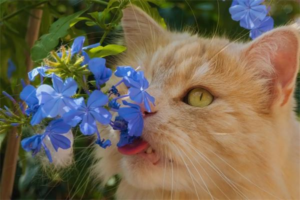
Does My Cat Need Hairball Paste?
Whether a cat needs hairball paste depends on coat type and hairball risk. Long-haired cats and those prone to hairballs usually benefit; in moderation it helps prevent hairballs and aids digestion. But overfeeding can cause diarrhea, and some pastes have many additives that lead to picky eating and metabolic burden. Feed in moderation; also brush often, offer cat grass, and encourage water.
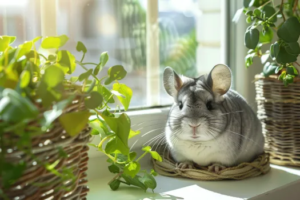
Are Chinchillas Easy to Keep? Key Care Tips
Chinchillas are gentle, clean, and low-odor herbivores that are fairly easy to care for, but they need a cool environment (15–23°C), a hay-based diet, and patient handling. This guide covers the essentials for new owners and the foods and habits to avoid.
Kitten has poor appetite, vomiting, and constipation – why?
Poor appetite can signal digestive, oral, kidney, or endocrine disease; vomiting and constipation point to gut issues like indigestion, blockage, hairballs, or FIP. Feed fiber; see a vet if it persists.
My puppy is foaming at the mouth and its belly is very bloated
Foaming and a bloated belly may come from poisoning, internal parasites, gut blockage, or a viral infection - all serious. Take the puppy to a vet promptly; X-rays and abdominal ultrasound may be needed to find the cause. If gastric torsion, intussusception, or acute gastric dilation is present, surgery may be required.
Kitten recently eats very little and stools are very dry
The image is blurry, but poor appetite with dry stools may be hairballs, constipation, blockage, or a single diet, and can be an early sign of disease. Try cat grass and hairball paste first.
My dog vomited white with food at first, tonight it looks like bloody water, low energy
A bloated belly, vomiting, and lethargy can come from indigestion, blockage, pancreatitis, parasites, or parvovirus. Fast for 12 hours and give probiotics; if vomiting continues or other symptoms appear, see a vet to find the cause.