Search Results
799 results for “internal parasite”
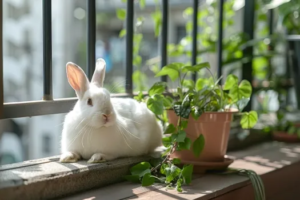
What to Do When a Doe Rabbit Won’t Cycle?
A doe that will not cycle has a cause: unbalanced nutrition (too fat or thin), bad temperature or humidity, disease or parasites, old age over 3, congenital defects, wrong light (need 14–16 h/day), or toxic feed like aflatoxin. Fix the root — adjust diet, steady the environment, treat illness, cull old or defective does, add light, and avoid moldy feed.

What Medicine Helps a Dog With Red, Itchy, Hair-Losing Skin
Red, itchy skin with hair loss in dogs is usually from a skin disease such as parasite bites, allergic dermatitis, ringworm, or eczema. The right medicine depends on the cause. Here is what to use.

Can Dog Interdigital Dermatitis Heal on Its Own?
The medical name for dog interdigital dermatitis is interdigital pyoderma, caused by fungi, bacteria, mites, and more. Without timely treatment it will not heal on its own and may worsen. Here is what owners should know.

What to Do When a Dog’s Toe Web Is Inflamed and Pus-Filled
Inflamed, pus-filled dog toes are usually interdigital dermatitis, caused by long-term damp paw pads and purulent bacterial infection. Prompt anti-inflammatory, antibacterial treatment is needed to stop it worsening. Here are the details.

How to Cure Dog Pyoderma and Prevent Relapse
Dog pyoderma is a skin disease that relapses easily, especially in wrinkly breeds with surface pyoderma, making it hard to cure completely. Here are the different ways to manage dog pyoderma.
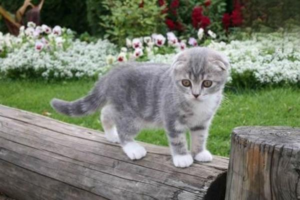
Can Cats Drink Raw (Untreated) Water? The Risks and Consequences
Cats should never be given raw, untreated water such as tap, well, river, or stream water. Untreated water carries bacteria, fungi, excess minerals, chlorine, and debris that can cause gastroenteritis, kidney strain, urinary stones, and parasite infection — boiling the water first removes most of these risks.
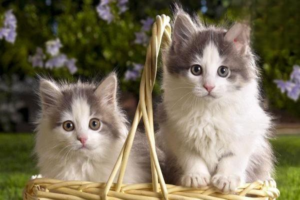
What to Do If an Anemic Cat Won’t Eat or Drink
A severely anemic cat that refuses food and water needs immediate veterinary care: fluid therapy and, when critical, a blood transfusion, because prolonged starvation leads to dehydration and worsening anemia. Treatment targets the underlying cause, restores blood-building nutrients, and may require iron, vitamin B12, and folate supplementation.
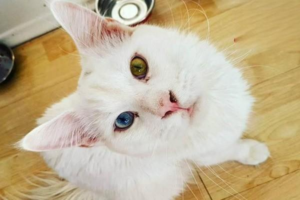
What Causes Anemia in Cats?
Cat anemia is split into regenerative (from blood loss or hemolysis) and the more common non-regenerative type, where the bone marrow makes too few red cells. Leading causes include leukemia, chronic disease or drug toxicity, iron or B-vitamin deficiency, and kidney failure in older cats.
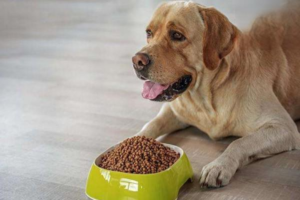
What Are the Causes of Chronic Colitis in Dogs?
There are many causes of chronic colitis in dogs, which may be caused by bacteria, fungi, or intestinal parasites, or may be triggered by eosinophils. Chronic colitis in dogs causes long-term diarrhea symptoms and needs timely treatment to avoid dehydration. To learn more, read on with us about the causes, symptoms, and treatment of chronic colitis in dogs!

Why Is a Dog’s Stool Green?
A dog's normal stool should be yellow-brown, dry, and formed, so a dog's green stool is likely related to food, but it may also have colitis or a problem with the gallbladder. How to distinguish which reason causes the dog's green stool? We will tell you!