Search Results
799 results for “internal parasite”

How to Deworm a Two-Month-Old Kitten
Kittens are protected by their mother's antibodies for the first two months, so deworming starts after weaning. Parasites split into internal and external types needing different medications, and choosing the right product depends on the kitten's weight, age, and pregnancy or nursing status.

How Much Does It Cost to Own a Dog?
Owning a dog costs far more than the purchase price — routine care for a small-to-medium dog runs roughly $740–$1,325 in the first year and $500–$875 each year after, while a large or giant breed costs more and lives shorter. Budget for veterinary care, vaccines, parasite prevention, food, and basics like a collar, crate, and training, and expect costs to climb with age and any unforeseen illness.
Causes and Treatment of Clear Mucus in Cat Stool
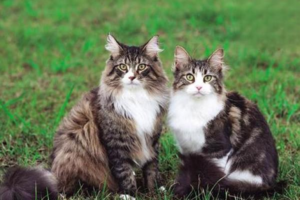
Clear mucus in a cat's stool can mean gut trouble, intestinal parasites, or panleukopenia, and ignoring it can lead to worse illness. Parasites from raw food and missed deworming need a dewormer or fecal test; diet-driven gastroenteritis calls for a short fast, then cat-specific anti-inflammatories and probiotics; and yellow-green vomit with repeated fever points to panleukopenia, which needs a vet at once.

Why Is My Cat Having Diarrhea Again?
Diarrhea is loose or unformed stool from food moving too fast through the gut to absorb water and nutrients, and it can be acute or chronic. Causes range from infections, parasites, and diet changes to stress and underlying gut disease; at home, keep water available, feed small frequent easily digested meals, and use smectite or pet probiotics for mild cases — but see a vet for blood, fever, lethargy, or ongoing diarrhea in an unvaccinated cat.
How to Treat Severe Feather Loss in Parrots
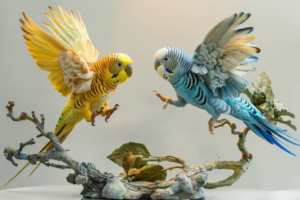
Heavy feather loss in parrots usually signals feather-picking syndrome, driven by parasites, skin infection, nutritional gaps, a poor environment, hidden illness, or stress. Treatment starts with pinpointing the cause — a better diet, a vet exam with skin scraping, or cleaner surroundings — and keeping the bird in a stable, calm home.

How to Help Your Cat Develop Full Cheek Jowls
Full cheek jowls are a male, breed-linked trait — Sphynx, calico, Devon Rex, and Siamese cats rarely develop them, so don't overfeed a cat that won't. For cats that can, deworm monthly, feed a protein-rich diet (35%+ kibble plus meat and egg yolk), and add vitamins; skip the daily nutritional paste, which just drives obesity.

Precautions When Deworming a Rabbit Herd
Deworm the whole rabbit herd at once, treat droppings with lime milk, and clear mites from the environment so cleaned rabbits don't re-infect; support the gut with a probiotic during treatment. Use a broad-spectrum compound (ivermectin plus albendazole covers mites and internal worms), avoid toxic levamisole/trichlorfon, and dose precisely. Kits start at 40 days with a second dose 7–10 days later; breeders quarterly. Damp weather calls for earlier prevention.

Causes and Symptoms of Atopic Dermatitis in Dogs
Atopic dermatitis in dogs comes from internal factors (genetics, hormones, allergic predisposition) and external ones (pollen, dust, certain foods, flea bites, drugs). It shows as intense itch, redness, and rashes, often first around the eyes, paws, armpits, and lower back.

What Skin Diseases Affect Dogs, and What Are the Symptoms?
Dog skin problems fall into four types — fungal, bacterial, allergic, and parasitic — and show as itching, scabs, scaling, papules, redness, and hair loss. Watch for lumps, shedding, over-grooming, itching, and sunburn or irritation, and see a vet for diagnosis.

Signs Your Dog with Parvo Is Recovering
Canine parvovirus is deadly (up to 80% mortality) with enteric and cardiac forms. Recovery signs: brighter mood and appetite, falling fever, and no more vomiting/diarrhea. Prevent with vaccines from 4 weeks, deworming from 3–4 weeks, and strict disinfection of feces and bedding.