Search Results
799 results for “internal parasite”

Can I Give My Dog Dewormer After Vaccination?
A dog can use a topical dewormer on vaccination day, but oral dewormers are best delayed about a week. Vaccines deliberately lower immunity while the body builds antibodies, so spacing out internal parasite treatment protects a stressed system.
How Long After Deworming Can I Bathe My Cat?
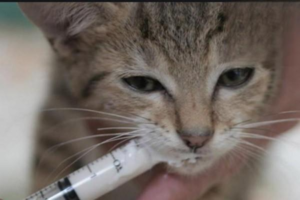
Wait 1–2 weeks after deworming before bathing, or the product's effect weakens. Cats self-clean well, so bathe rarely; too often lowers skin resistance. An ivermectin-based topical covers most external and some internal parasites.

How to Tell If Your Cat Needs Deworming
Most internal parasites are invisible to the naked eye until an infestation is advanced, so routine deworming matters more than waiting for symptoms. Kittens need monthly protection and healthy adults every three months; a vet can confirm parasites from a stool sample under the microscope.

What to Do About Black Bugs on Your Cat
The small black bugs crawling through a cat's coat are usually fleas. A heavy flea burden causes anemia, spreads internal parasites and triggers allergic skin disease, so treat the cat and its home together. Regular topical prevention keeps fleas and other external parasites away.

How to Use Cat Dewormer Correctly
Most owners misuse cat dewormers — dosing right after a bath, splitting one dose across cats, or skipping it when no bugs are visible. Wait 2–3 days after a bath, keep one dose per cat, deworm on schedule (every 3 months internal, monthly external), and apply spot-on to the skin, not the fur.

Pet Skin Diseases (Part 1): Parasitic and Fungal Infections
Skin disease is common in dogs and cats and tends to flare up and recur, usually because their skin defenses are weak and their surroundings are full of triggers. The two hardest types to clear are external-parasite infestations (fleas, lice, mites, ticks) and fungal infections (ringworm); both cause intense itching, hair loss, and skin damage and need treatment of both pet and environment. Since they are contagious and slow to resolve, early veterinary care and consistent parasite control are the keys to recovery.

How to Prevent Toxoplasmosis in Cats
Toxoplasmosis spreads mainly through cat faeces and infected raw meat, showing as chronic weight loss and anaemia or acute fever above 40°C with breathing trouble — and it can cause miscarriage in pregnant queens. Keep cats indoors, deworm regularly with a product that targets the parasite, cook any meat you feed, and clear litter with gloves to stay safe.

Why Cats Vomit: Common Causes by Severity
Not all vomiting is harmless — while hairballs and eating too fast are normal, persistent or severe vomiting can signal parasites, foreign objects, or serious organ disease. Know the three types of throwing up and the warning signs that mean a trip to the vet.

Health Checks to Do Before Adopting a Stray Dog
Before a stray moves in, work through four steps: a professional bath that also reveals wounds or lumps, internal and external deworming, a 10-day home observation before any vaccines, then a clinic visit for a full exam and shots (distemper combo, rabies, toxoplasmosis). Only after that is your new dog truly safe to cuddle.

Why Does a Cat Get Diarrhea After a Bath?
Post-bath diarrhea usually comes from poor digestion, stress, or getting chilled. Mild cases respond to probiotics and a calm, warm space; if it turns watery and frequent, see a vet to rule out gastroenteritis, parasites, or panleukopenia—especially in unvaccinated cats, where dehydration and low blood sugar can be fatal.