Search Results
799 results for “internal parasite”
My two-month-old dog just arrived home; at night it had diarrhea and passed worms, and vomited thin, still-moving worms.
Passing thin worms indicates internal parasite infection, likely roundworms or tapeworms, and the dog should be dewormed promptly. Tapeworms are white, flat, and strip-like in the digestive tract; roundworms are white, cylindrical, and earthworm-like, living in the small intestine.
Why does a dog pass worms without taking dewormer?
If a dog has many internal parasites, it may pass worms or eggs even without dewormer; this is a warning to deworm promptly. Without it, parasites multiply and cause greater harm, so deworm regularly for health.
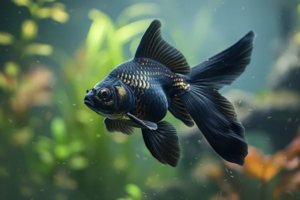
Common Reasons an Arowana Stops Eating
An arowana may refuse food because it is stressed by a new environment, the water has gone bad, the diet is too monotonous, it has a cold, it has internal parasites, or it has enteritis. Pinpoint the exact cause—stable water, a short fast, then targeted treatment—before resuming feeding.

Do Parrots Need Deworming? How to Tell If Yours Does
Parrots can host feather mites and internal parasites even when they look clean, and some breeds—such as monk parakeets—are especially prone to worms. Regular deworming protects both your bird's health and your own, since handling a pet can pass parasites to people. This guide explains when parrots need deworming and the signs that indicate it's time.

Why Do Arowana Refuse to Eat?
Arowana may refuse food for many reasons—poor water quality, fright, temperature swings, environmental change, illness, improper feeding, or internal parasites. If the fish is otherwise active, refusal alone isn't alarming. Key fixes: stabilize pH (6–7.5), avoid sudden changes, and treat any underlying disease.
Why are there small bugs in the cat litter?
Bugs in cat litter may come from worms or eggs invading poorly stored litter, or from a damp environment; they may also be fleas or lice dropped from the cat, or internal parasites like roundworms or tapeworms passed in stool. Identify the type and deworm accordingly.
How long does it take to cure a dog passing white worms?
The white worms are likely roundworms, so deworm promptly and thoroughly. Roundworms are internal parasites needing dog-specific dewormer; if heavily infected, repeat in two weeks to clear them fully.
How often should I give my dog albendazole dewormer?
Give albendazole-based dewormer every 3 months. Its active ingredient, albendazole, prevents and kills internal parasites, so vets recommend quarterly internal deworming for adults. Dogs eating raw meat need more frequent deworming due to higher parasite risk.
How Long to Eliminate a Cat’s Tapeworm with Medication?
A tapeworm is an internal parasite; oral dewormer expels worms the same or next day. Re-deworm in 2 weeks to kill residual eggs. Regular deworming prevents infection.
How soon after deworming will a puppy pass worms?
Puppies with internal parasites usually pass worms 1-3 days after deworming. A second dose a week later may be needed for heavy infestations, and dosing must follow the puppy's weight.