Search Results
587 results for “internal deworming”

Do Cats Need Deworming in Winter?
Parasites stay active even in winter, so year-round deworming matters. Fleas, ticks, heartworm, and intestinal worms can all affect cats during the cold months, and several safe topical and systemic products are available.

Cat Deworming Schedule and Precautions
Parasites are among the few diseases preventable by routine care; timely deworming is key to a cat's health.

Cat Deworming: Methods and Timing
Parasites are among the few cat illnesses you can actually prevent. A regular deworming schedule protects your cat — and since many parasites are zoonotic, it protects you too. Here is what to know about internal and external parasites and when to treat.

Essential Dog Deworming: What Every Owner Should Know
Regular deworming protects dogs from internal and external parasites, even indoor pets, since owners can carry eggs home. Puppies start around eight weeks, adults every three months, and product choice should match lifestyle and veterinary advice.

Why Your Cat Needs Deworming
Regular deworming is a basic safeguard for your cat's health, splitting into internal and external care on a three-month and one-month rhythm. Apply external drops where the cat can't lick, time internal tablets around meals, and follow with a probiotic to protect the gut.

Does a Kitten Really Need Deworming After Two Months
Regular deworming protects both cat and owner, with internal treatment every three months and external every month. Time the doses around meals, hold off during gut upset, and support the stomach with a probiotic afterward. Skip raw meat and unfamiliar foods right after treatment.

Internal Parasites in Cats
Internal parasites are a common and potentially serious problem in cats, ranging from roundworms and hookworms to tapeworms and filarial worms. Left untreated, heavy infestations can stunt growth, cause anemia, and even prove fatal. Regular deworming is the most reliable way to keep them under control.

Does My Cat Really Need Deworming?
Even cats that never go outside can still pick up internal and external parasites, because owners may unknowingly carry flea eggs and worm larvae home on their shoes and clothing. Routine deworming plus a clean, regularly disinfected living space is the most reliable way to keep a cat parasite-free.
How Long After Deworming Can I Bathe My Cat?
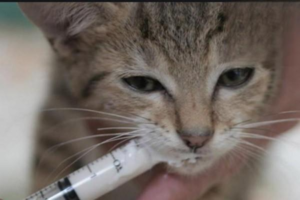
Wait 1–2 weeks after deworming before bathing, or the product's effect weakens. Cats self-clean well, so bathe rarely; too often lowers skin resistance. An ivermectin-based topical covers most external and some internal parasites.

Does a Kitten Need Deworming?
Kittens do need deworming, but wait until about 2.5–3 months old unless a vet advises earlier. Parasites pass through the mother, food, and contact, so a post-weaning kitten exploring the world is at real risk. Use a broad-spectrum product and keep up monthly external protection.