Search Results
587 results for “internal deworming”

How Long Between a Cat’s Vaccination and Deworming?
Kittens are due for both vaccines and deworming around two months of age, and doing them together raises the risk of allergy or vaccine failure. The safe rule is to separate the two by at least a week. Vaccines briefly lower the cat's resistance while they build antibodies, and dewormers carry a small toxicity that the body tolerates only when healthy. This guide explains the interval and the practical cautions for both procedures so your cat stays protected without setbacks.
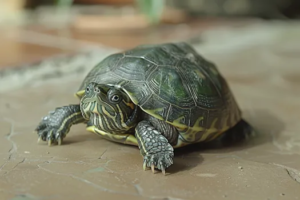
Internal Parasites in Turtles: Flukes and Protozoa
Flukes and protozoa are among the more common internal parasites in pet turtles, and knowing their signs helps you act before they drain your turtle's health. Flukes lodge in the liver, pancreas, and gut, causing appetite loss and bloody stool, while protozoa such as amoebas inflame the intestine and often trigger bacterial enteritis at the same time. Both are diagnosed through fecal checks and treated with specific dewormers plus gut support. This guide lays out the symptoms and the matching treatment for each parasite.
Signs Your Dog Needs Deworming
Certain signs suggest a dog has picked up parasites and needs deworming: frequent scratching from fleas or lice feeding on blood; vomiting and diarrhea from gut-dwelling worms disrupting digestion; and unexplained coughing or rapid breathing that may signal heartworm or Toxoplasma. Regular deworming is the best prevention.
My one-month-old Malinois had deworming yesterday and lost its appetite the next day — why?
Reduced appetite after internal deworming is normal; the medication irritates the gut and may cause mild vomiting, diarrhea, or appetite loss that usually passes in 1–2 days. If symptoms persist, rule out allergy or other illness and see a vet.

Cat Deworming: A Beginner’s Guide
Choosing a cat dewormer confuses many new owners, and a wrong pick can fail to work or even cause allergy, gut irritation, or liver damage. The good news is that careful, budget-friendly choices are possible. This guide explains why indoor cats still need deworming, how a combined internal-and-external spot-on (imidacloprid plus moxidectin) works, the correct application steps, and the three myths to avoid—including that dog products can be toxic to cats. Regular, correct deworming protects both cat and family.

How to Choose a Parasite Treatment: Internal, External, and Combined
Parasites threaten every pet, even indoor ones, and choosing among internal, external, and combined treatments is where new owners get stuck. This guide lists the common parasites cats and dogs face, explains the three product categories and their typical active ingredients, and answers beginner questions—why deworm even with no visible bugs, where to apply drops, when bathing is safe, and whether imports are always better. The takeaway: deworming is a long-term habit built on the right product, correct use, and consistency.
My two-month-old puppy vomited worm-like nematodes — is this normal ten days after deworming?
Vomiting visible nematodes means a heavy internal parasite load (roundworms, tapeworms). Redeworm with albendazole or praziquantel dosed by weight; see a vet if other symptoms appear.
Why does a cat vomit after deworming?
Dewormers can irritate the gut and cause vomiting, especially in kittens; use a safe product and control the dose strictly.
How good are Xinchong Zhikang deworming tablets?
Xinchong Zhikang tablets use praziquantel to kill tapeworms and flukes; safe and cheap but narrow-spectrum, so rotate with broader dewormers.
Why does my cat vomit and have diarrhea after deworming medicine?
Mild vomiting and diarrhea after a dewormer are common and pass in 2-3 days; severe signs may mean overdose or poisoning and need a vet.